Skip to content
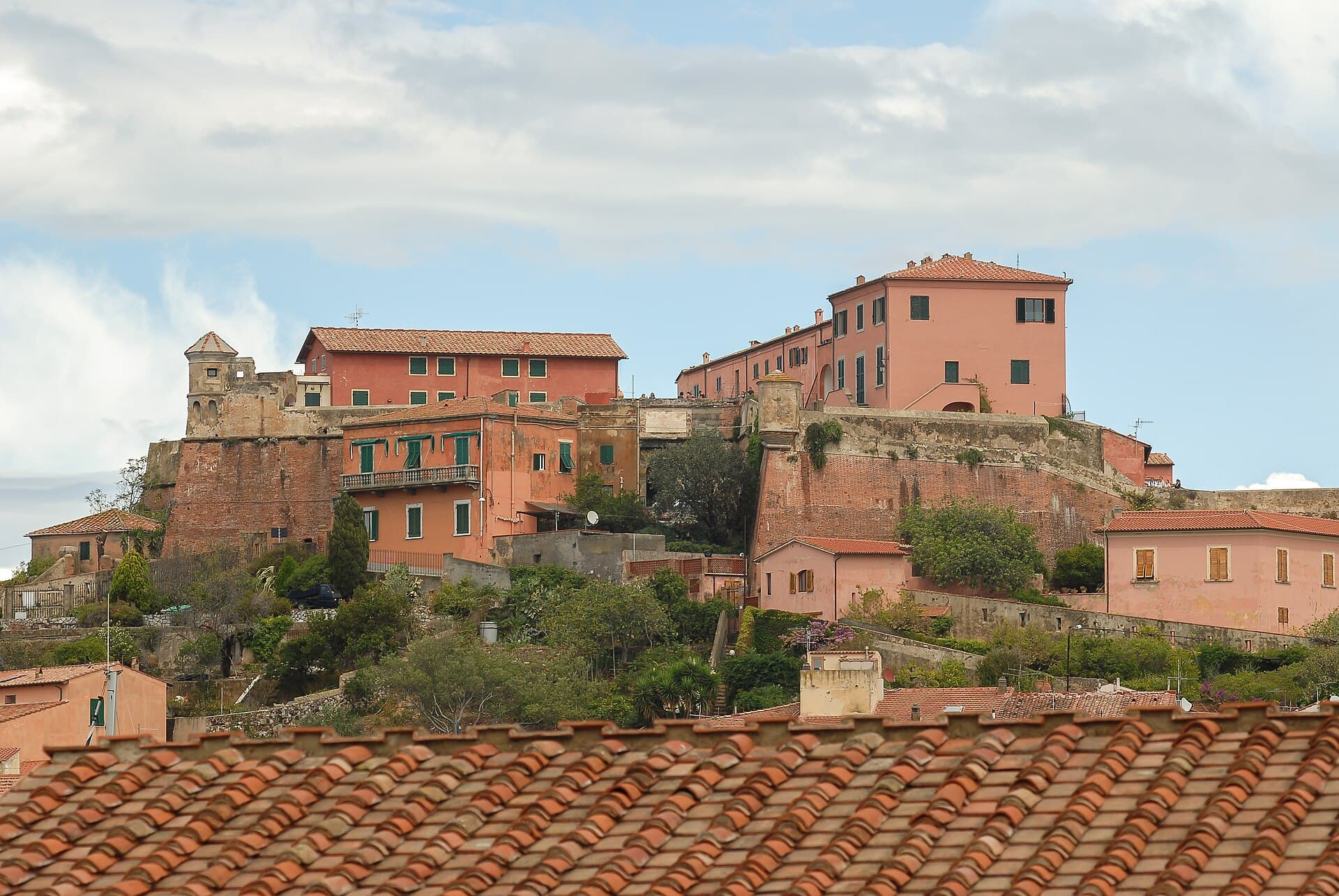
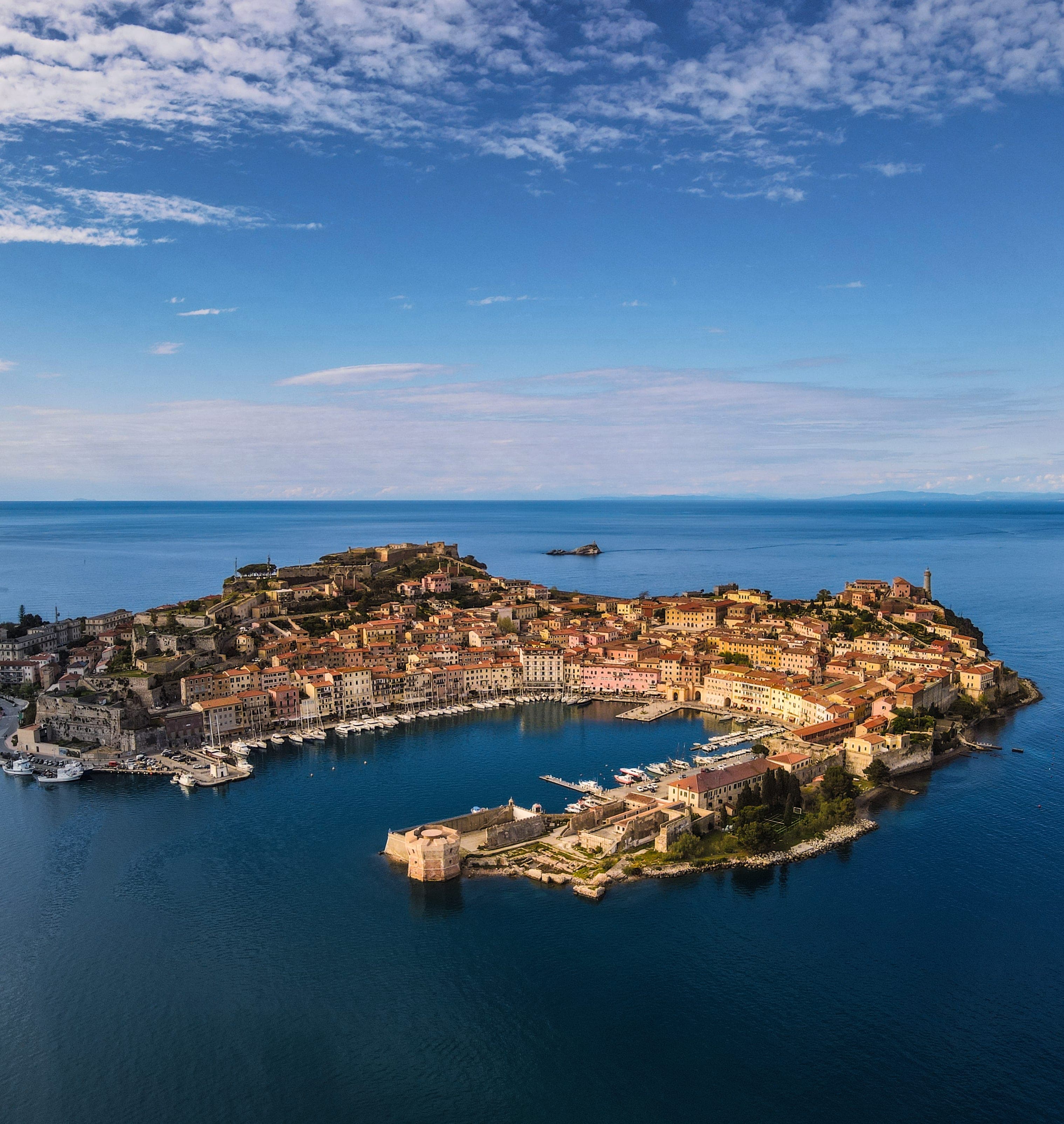
Le fortezze medicee di Portoferraio dall'alto, Isola d'Elba

Elba Island

The History of Elba

Few islands in the world have seen so much history pass through: Etruscans and Greeks, Rome, the Medici, Napoleon, the mines and finally tourism. Three thousand years, briefly told.

Elba was always fought over because it was always precious: first for its iron, then for its position, today for its beauty. Whoever walks this island walks on three thousand years of history — often without knowing it.

This is the island's story in seven chapters, each with a practical note: what remains to see today, within a day trip of our homes in Marina di Campo.

Three thousand years in seven chapters

8th c. BC

Aethalia: the Etruscans and iron

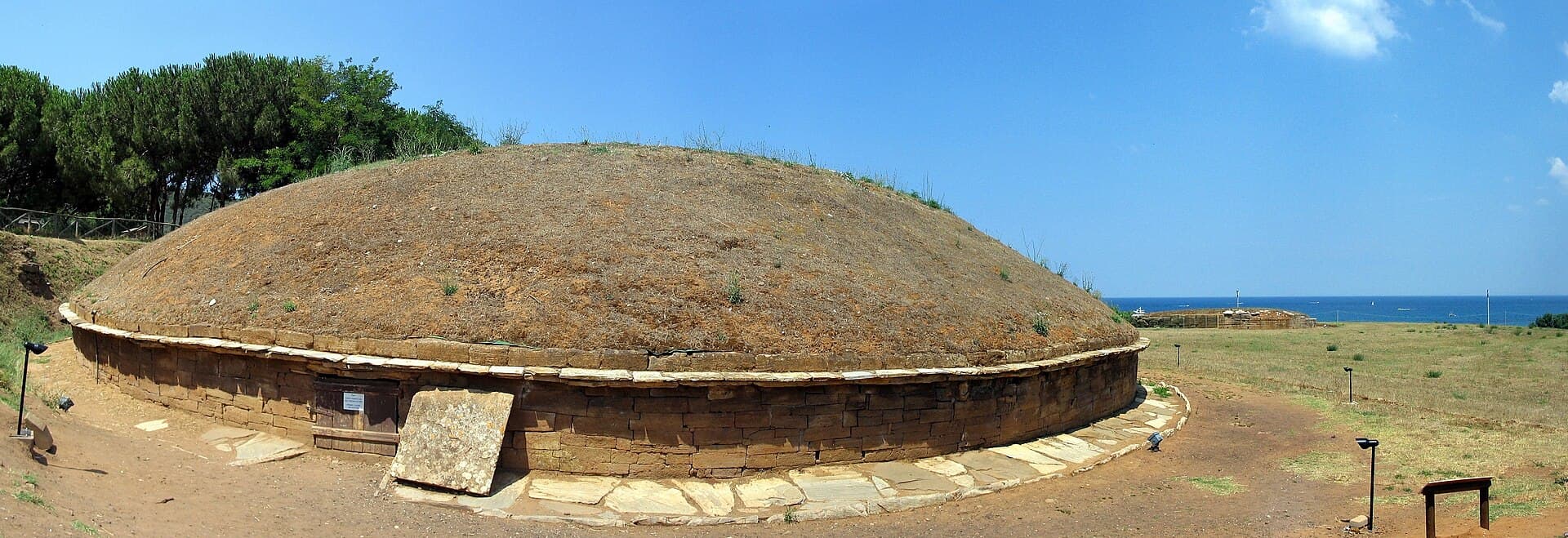
The Greeks called it Aethalia — spark. It was no metaphor: at night, from the sea, you could see the fires of the Etruscan furnaces smelting the ore of the eastern side. From here came the purest iron in Europe, the metal that armed and built the ancient Mediterranean.

For the Etruscans, Elba was an open-air mine and a forge: Elban iron travelled to Populonia, on the coast opposite, to be worked and traded across the ancient world.

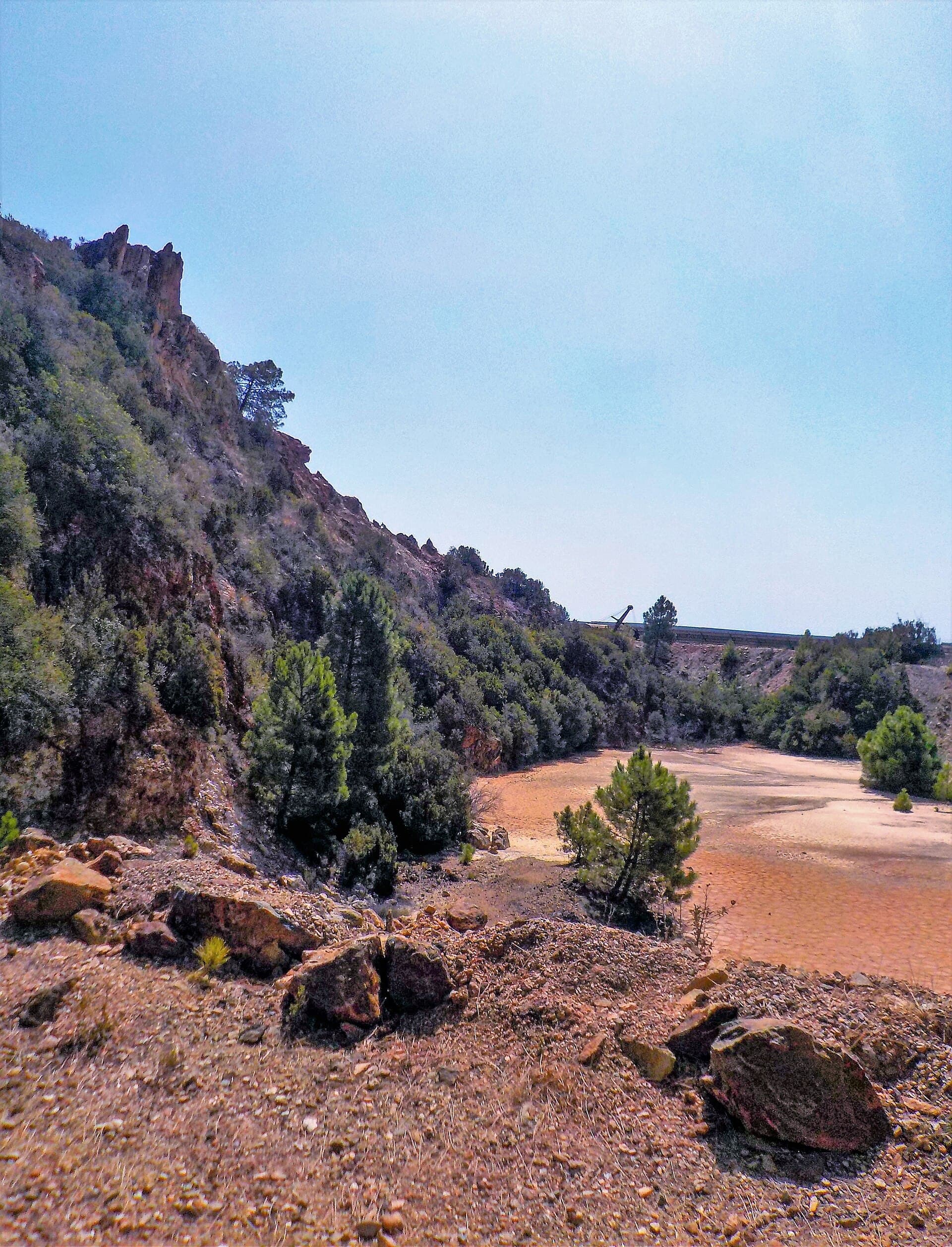
To see todayThe mines of Rio and the red-earth lake of Terranera, where the ground still glitters with hematite.
3rd c. BC – 5th c. AD

Rome: seaside villas and granite

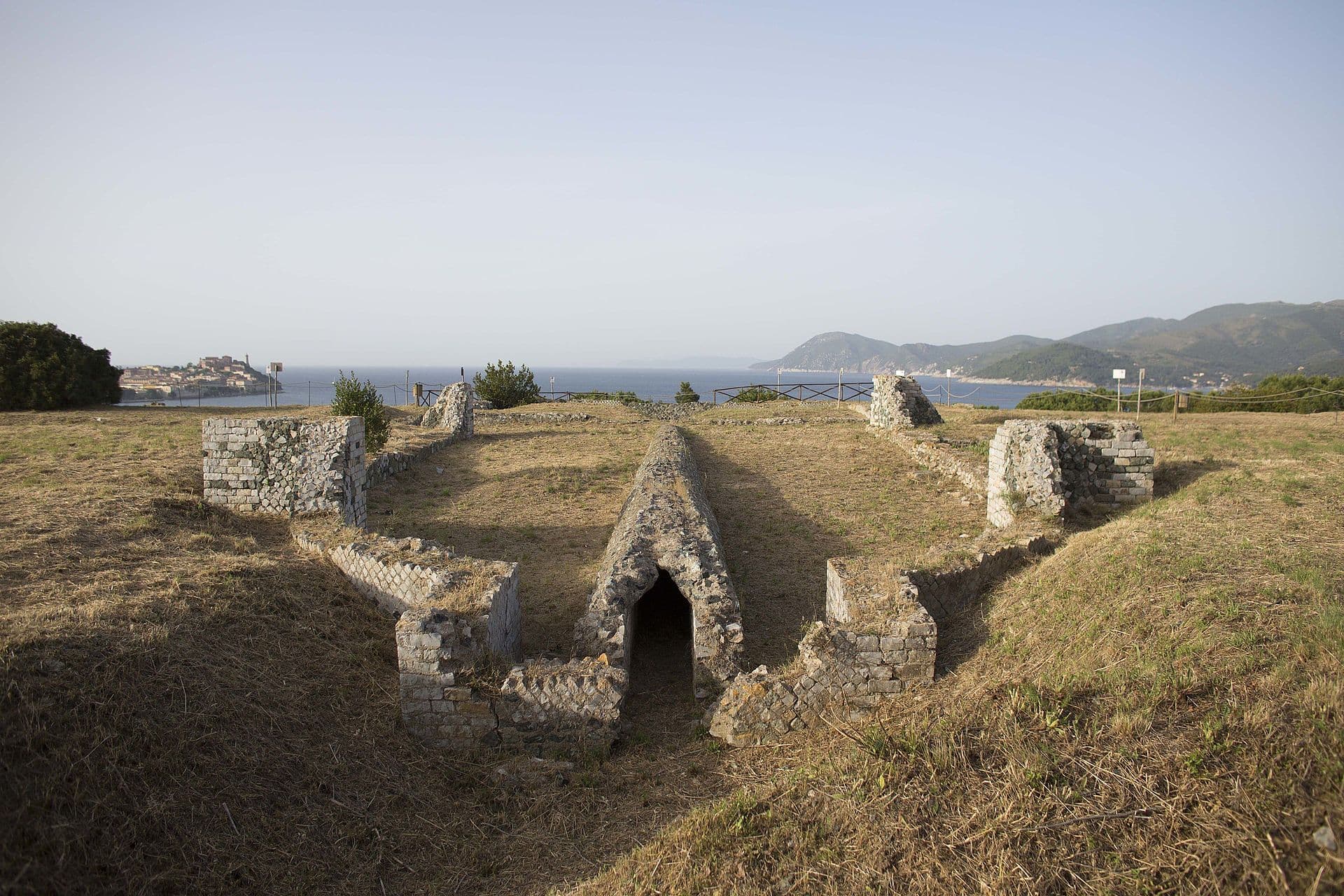
Under Rome the island — Ilva, to the Latins — kept giving iron and began giving granite: Elban columns and blocks left for the empire's building sites. And Roman patricians were the first to discover the island's holiday vocation, building sumptuous villas over the sea in the bay of Portoferraio.

To see todayThe remains of the Roman villas of Le Grotte and La Linguella, in Portoferraio.

11th – 15th century

Pisa, granite and towers

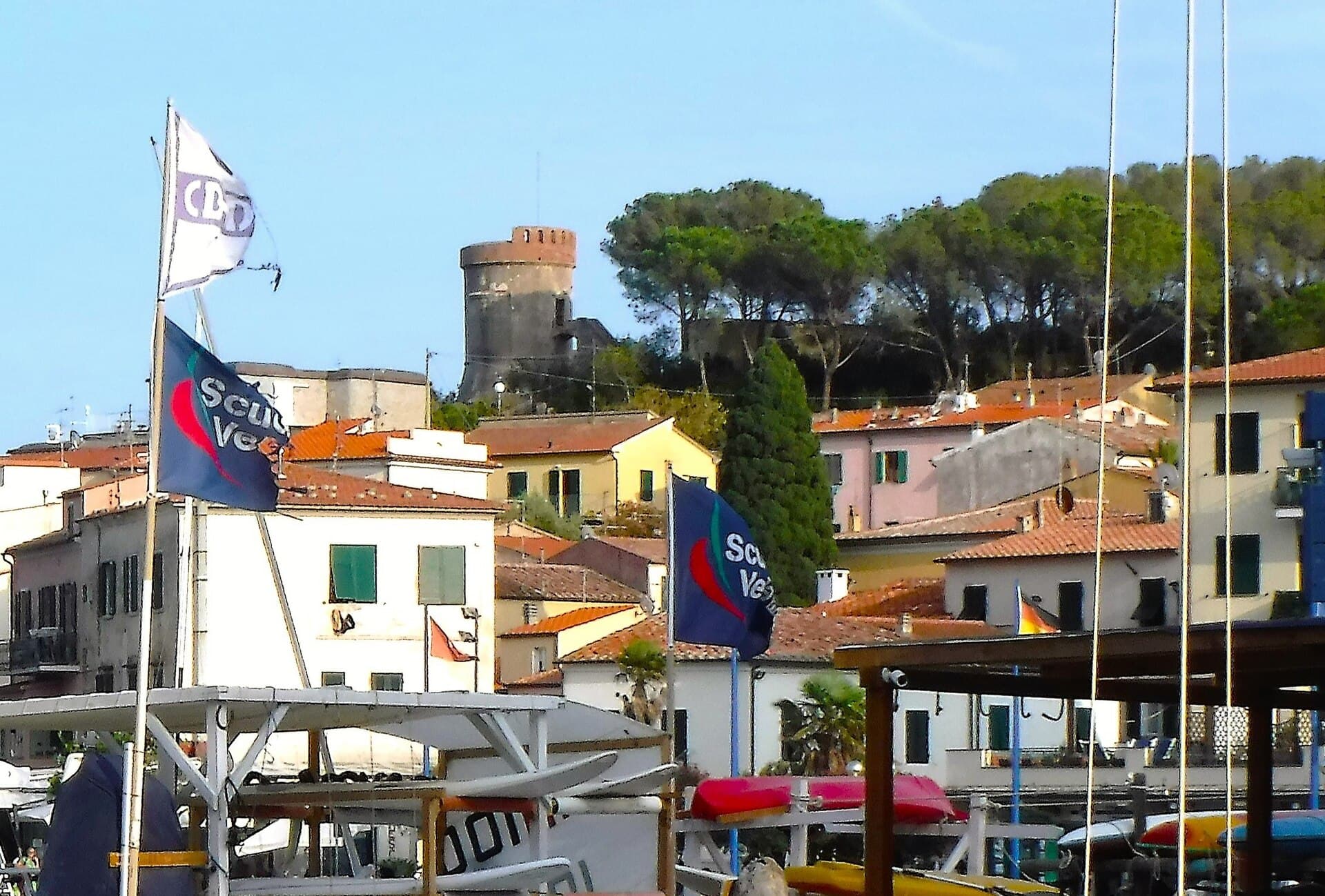
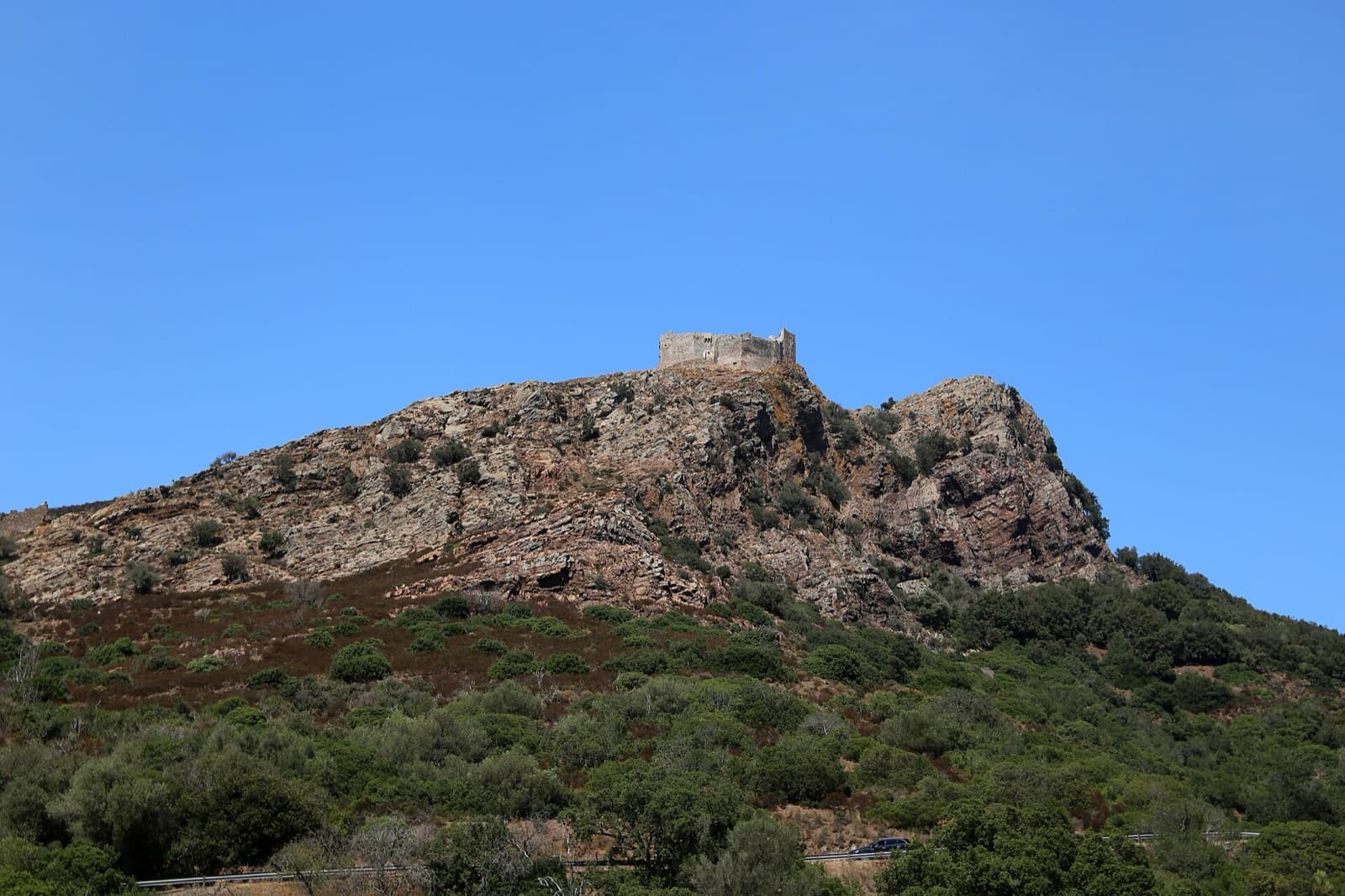
In the Middle Ages Elba entered Pisa's orbit, which quarried its granite for its churches and left Romanesque parish churches and fortifications. This is when the hill villages were born — San Piero, Sant'Ilario, Marciana — perched high to defend against raids from the sea.

To see todayThe Pisan fortress and the church of San Niccolò in San Piero, above Marina di Campo.

1548

Cosimo I and Cosmopoli

In 1548 Cosimo I de' Medici was charged by Emperor Charles V with defending the island, scourged by the corsair raids of Khair ad-Din Barbarossa. The village of Ferraia became a Renaissance fortress-city: Cosimo named it Cosmopoli, «the city of the cosmos» — today's Portoferraio.

A few decades later the Spanish settled the opposite side, fortifying Porto Longone — today's Porto Azzurro — with the imposing Forte San Giacomo, still overlooking the gulf.

To see todayThe Medici fortresses of Portoferraio (Forte Stella, Forte Falcone) and Forte San Giacomo in Porto Azzurro.

1814 – 1815

Napoleon's ten months

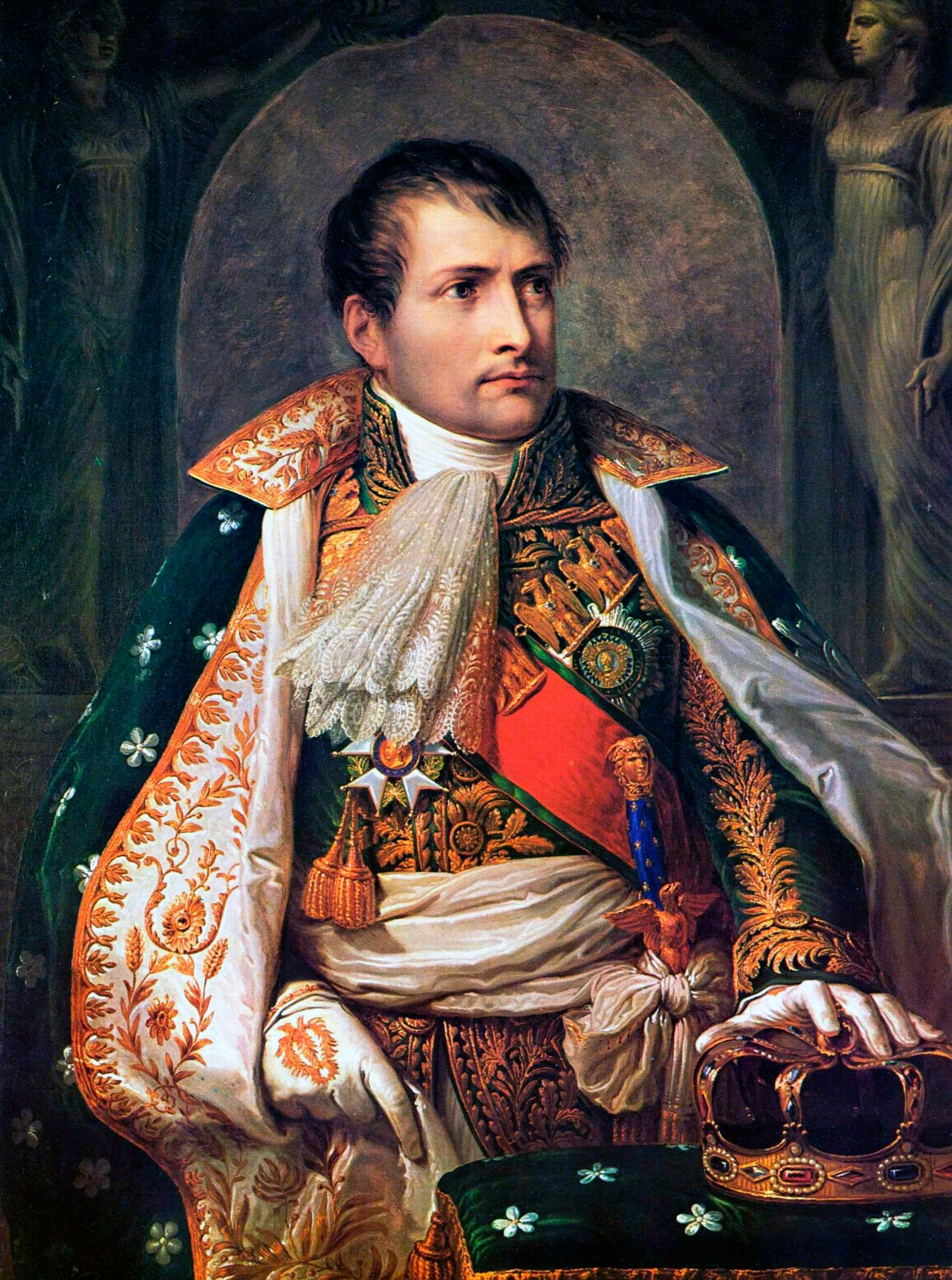
In May 1814 Napoleon Bonaparte landed in Portoferraio as an exile — but with the title of sovereign of the island. In ten months he truly governed it: roads, mines, administration, even the flag with three golden bees that Elba still uses.

He lived between the Palazzina dei Mulini, above Portoferraio, and the Villa di San Martino in the countryside; at the end of August he climbed to the sanctuary of Madonna del Monte above Marciana, where he met the Polish countess Maria Walewska. On 26 February 1815 he sailed secretly for France — the Hundred Days, and Waterloo, were weeks away.

To see todayThe Palazzina dei Mulini and Villa di San Martino (Napoleonic museums), and the Madonna del Monte trail.

1800 – 1945

Modern iron and the 1944 landing

Between the 19th and 20th centuries the eastern mines — Rio, Calamita — became an industry: thousands of miners, blast furnaces in Portoferraio, Elba's iron in Italy's steel.

The Second World War reached here too: on 17 June 1944 the Allies landed on the very coast of Campo, silencing the German battery at Capo Poro — its emplacements are still visible along the lighthouse trail, half an hour on foot from our homes.

To see todayThe Capo Poro trail with the battery emplacements, and the mining museums of Rio.

since 1950

The Aethalia and the birth of tourism

In the 1950s Italy's first modern ferry — christened, fittingly, Aethalia — opened the island to the world: liveried barmen, crystal glasses, and Elba turning from an island of miners into an island of holidays.

The mines closed in 1981, and the island chose protection: the Tuscan Archipelago National Park in 1996, the Pelagos Sanctuary for marine mammals in 1999. Meanwhile, in 1986, Locman was born in Marina di Campo — proof that fine craftsmanship here never stopped.

To see todayThe whole island: today the monument is the landscape itself.

Frequently asked questions about Elba's history

Why was Elba called Aethalia?

It is the island's Greek name: «spark». At night, from the sea, you could see the fires of the Etruscan furnaces smelting the iron of the eastern side — the purest of the ancient Mediterranean.

How long did Napoleon stay on Elba?

About ten months: from May 1814 to 26 February 1815, when he sailed secretly for France. It was no simple exile — he governed the island as its sovereign, and his two residences in Portoferraio are museums today.

What can you visit of Elba's history?

The Medici fortresses of Portoferraio and Napoleon's residences (Palazzina dei Mulini and Villa di San Martino), Forte San Giacomo in Porto Azzurro, the mining museums of Rio, the Pisan fortress of San Piero and the Capo Poro trail with its WWII battery — the last one on foot from our homes.

When did Elba's mines close?

In 1981, after roughly three thousand years of almost uninterrupted extraction. The eastern mines can be visited today, and the green lake of Terranera and the red earth of Rio still tell that story.

Sleep inside the history

From Marina di Campo every chapter of this story is a day trip away — and the beach stays a few steps from the door. Write to us and Giovanni will reply in person.

Request availability