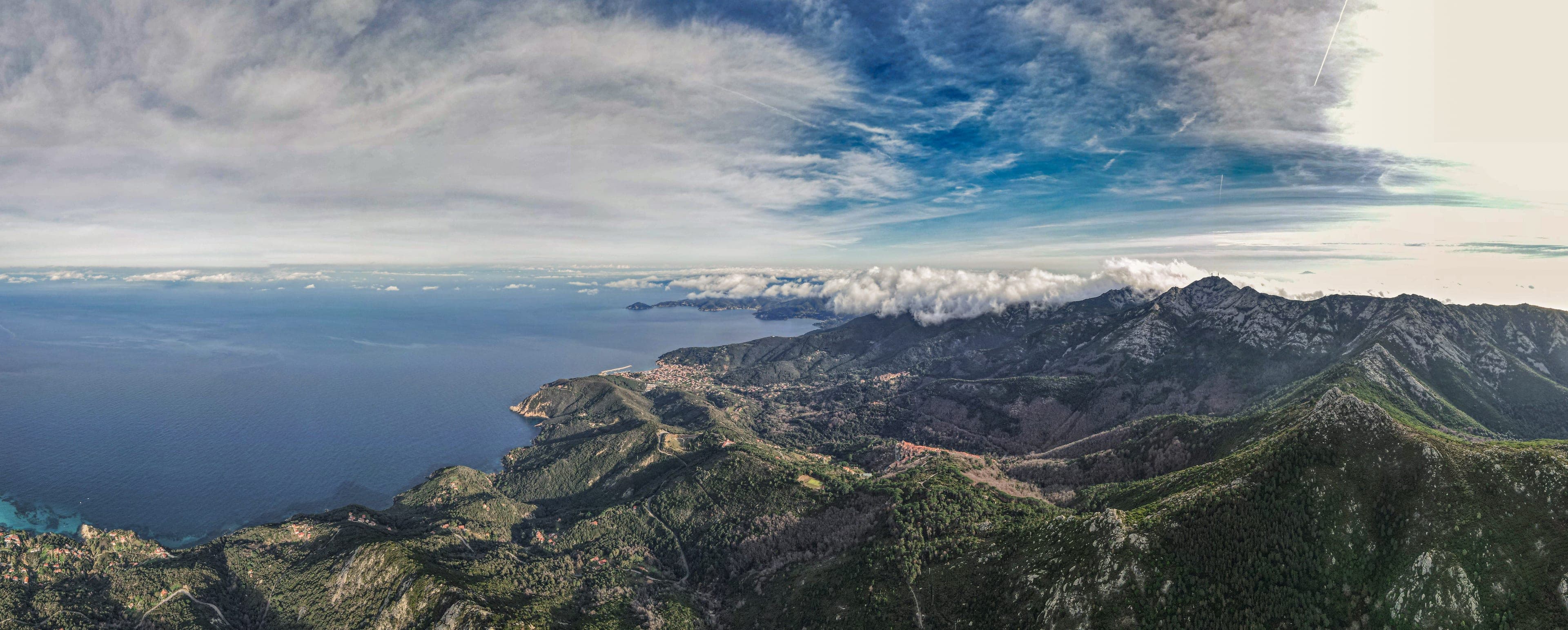
Elba Island
The Nature of Elba
A continent in miniature: within a few kilometres, the sea of the whales and dolphins, the scented scrub, the mouflon of Monte Capanne, flowers found nowhere else and the rock that shaped the island's history.
Elba is Italy's third-largest island — 223 km² of coast, mountains and scrub — yet it feels like many islands in one: granite to the west, iron to the east, the Mediterranean macchia that scents everything, and a sea that is an international protected area. That variety, in so little space, is what makes it unique.
And then there is what you find nowhere else: flowers that grow only on these rocks, butterflies and small creatures that isolation has turned into species of their own. You don't need to be a naturalist to notice — a boat trip to cross paths with dolphins, a walk in the scrub to smell the heather, a glance at Capanne to understand why the mouflon chose it. Here is what lives around our homes.
The Cetacean Sanctuary
The sea
Elba lies at the heart of the Pelagos Sanctuary, the first international marine protected area in the Mediterranean — established in 1999 by Italy, France and Monaco for marine mammals: 87,500 km² of some of the richest sea in Europe.
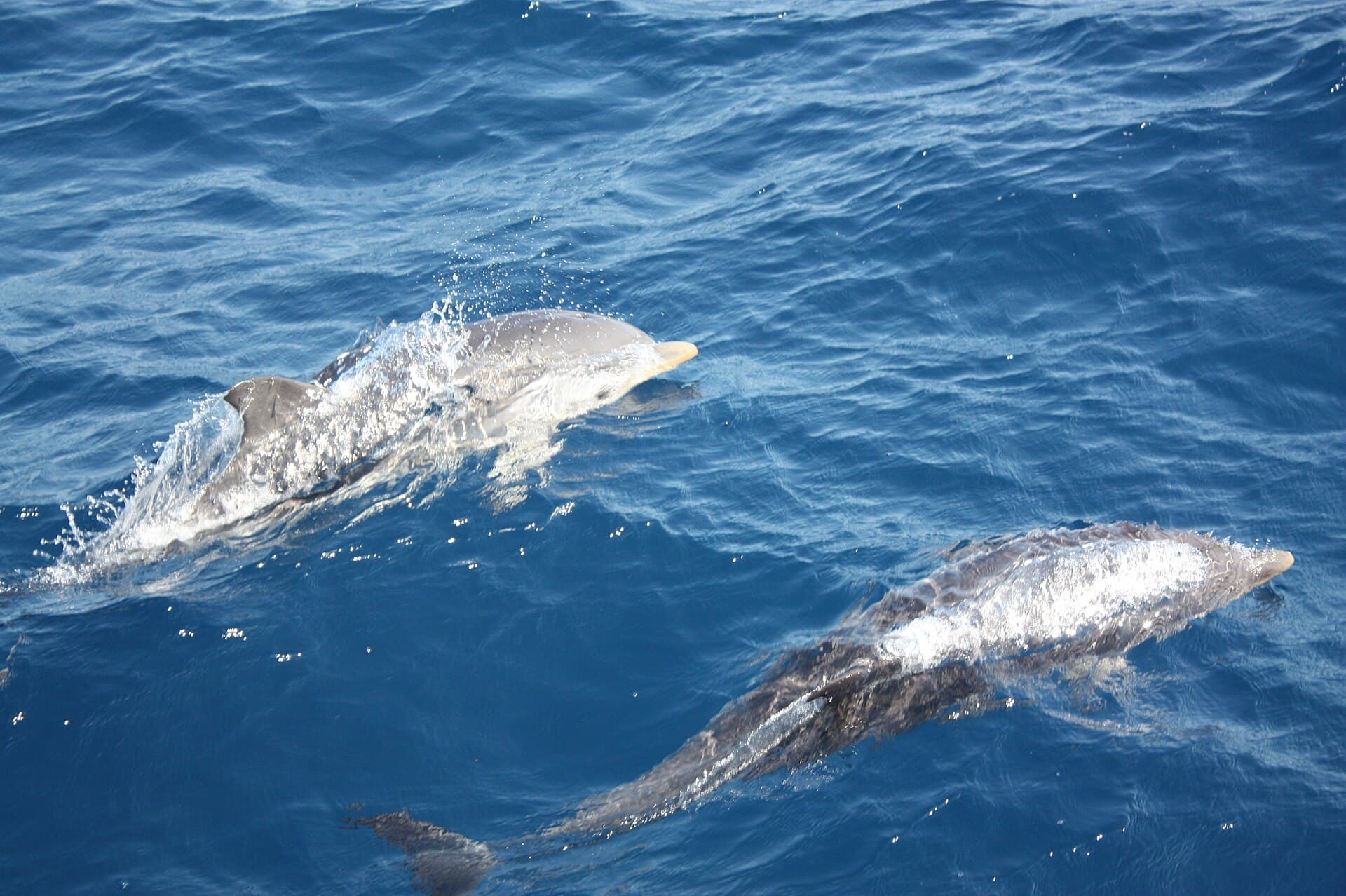
Dolphins
bottlenose and striped · seen from the boat
The species easiest to meet off Elba are the bottlenose and the striped dolphin, often in a pod riding the bow wave; more rarely the Risso's and the common dolphin. Whale-watching trips leave from Marina di Campo and the other harbours, and a single season brings more than a hundred sightings.
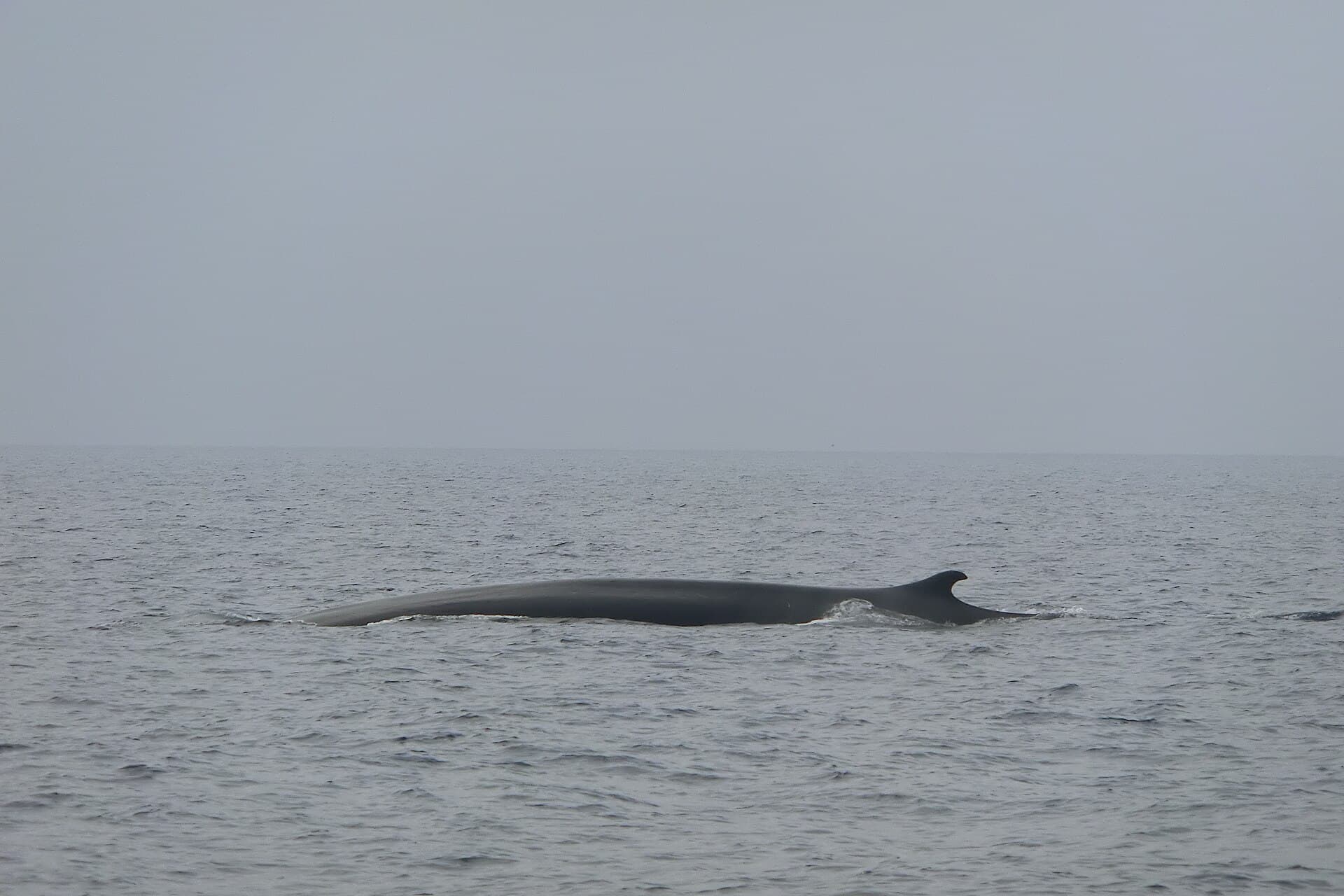
Fin whales and sperm whales
in the deep blue of the Sanctuary
Offshore, where the seabed plunges, the Pelagos Sanctuary is home to the fin whale — the second-largest animal on the planet, up to twenty metres — and the sperm whale, along with pilot whales, Risso's dolphins and beaked whales. Rare encounters, but real, in Elba's waters.
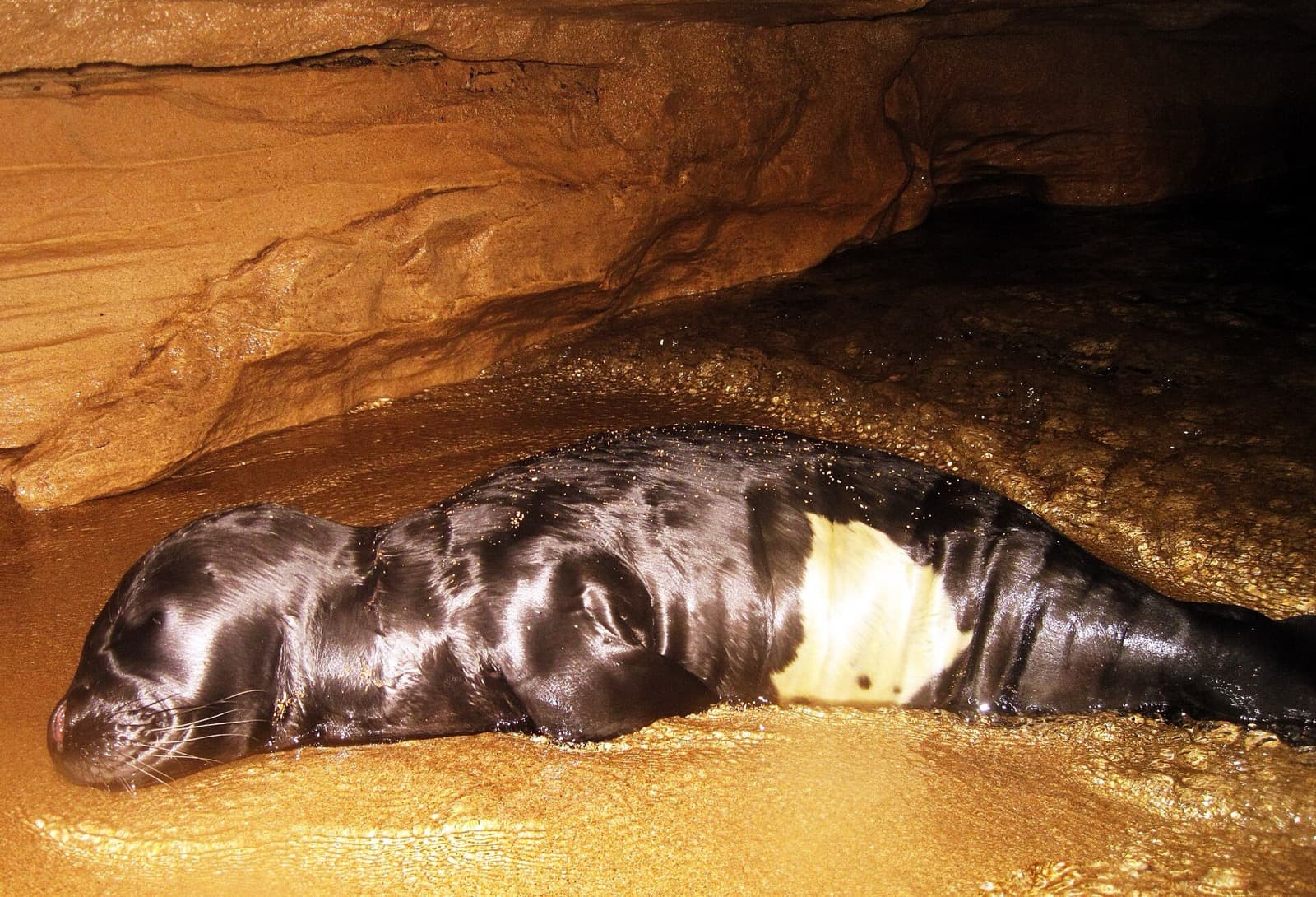
The monk seal
a symbol species · recently detected
The Mediterranean monk seal, among the rarest marine mammals in the world, has begun to be detected again in the Tuscan Archipelago through the Park's non-invasive monitoring. Almost impossible to see — it loves caves and deserted beaches — but its presence shows how much this protected sea is healing.
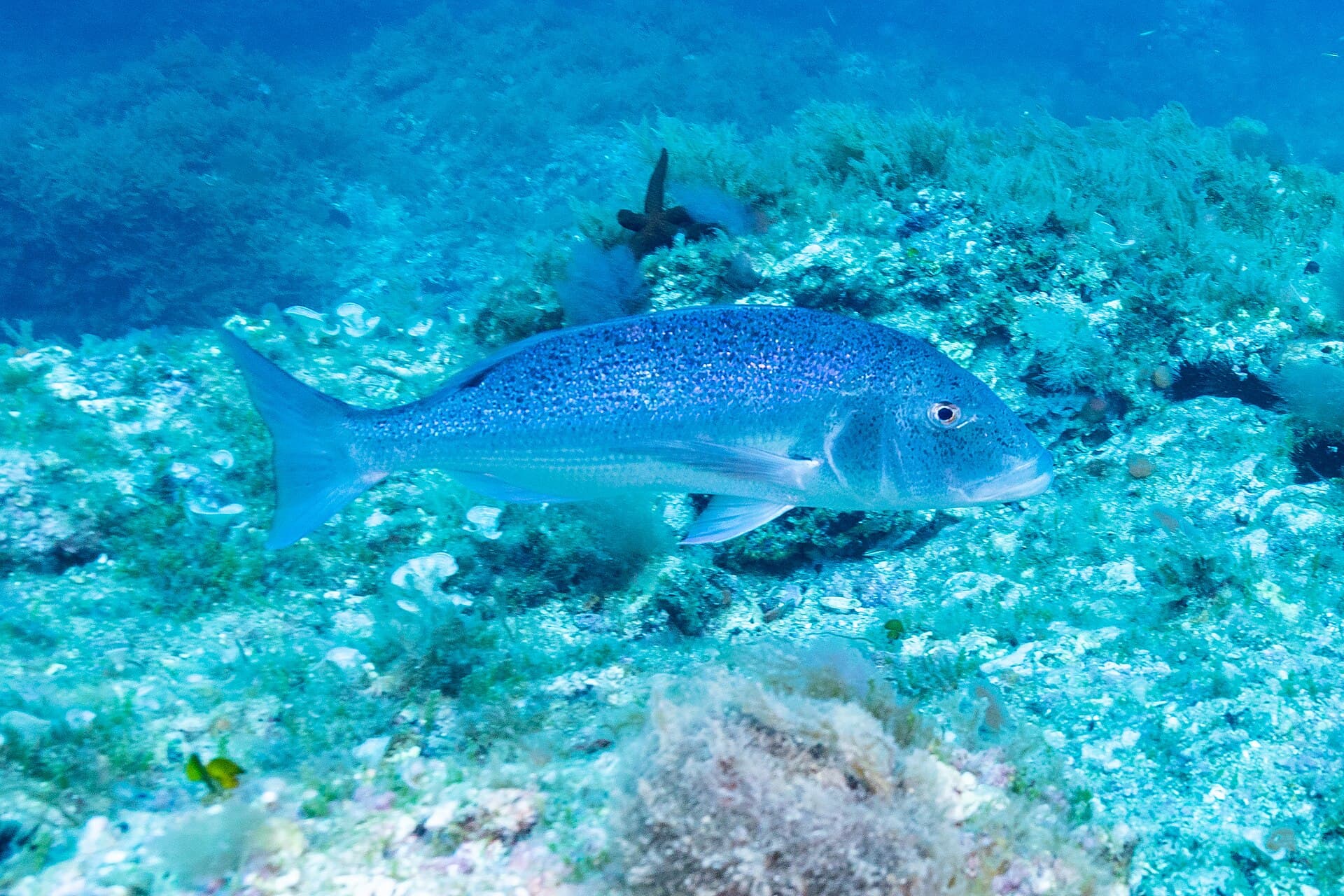
The fish of these depths
dentex, amberjack, tuna, swordfish
Close to shore swim sea bream, saddled bream and scorpionfish; further out the common dentex and the amberjack, and in open water tuna and swordfish. As the water warms, the tropical-coloured parrotfish appears too.
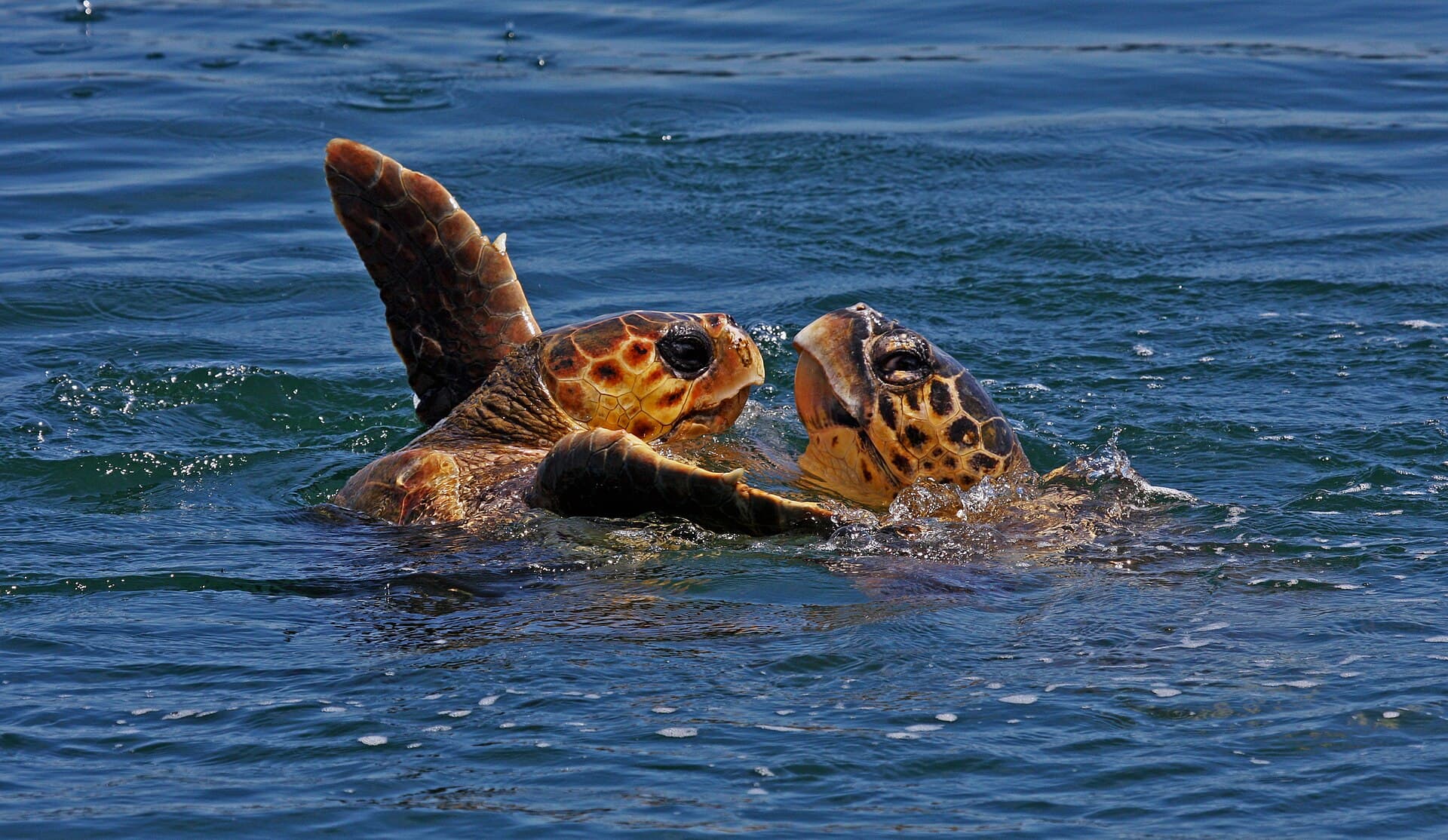
Turtles and harmless sharks
loggerhead · blue shark
The loggerhead sea turtle frequents these waters and nests ever more often on the Tuscan coasts. Offshore lives the blue shark, a shy pelagic shark harmless to people: part of the balance of a healthy sea.
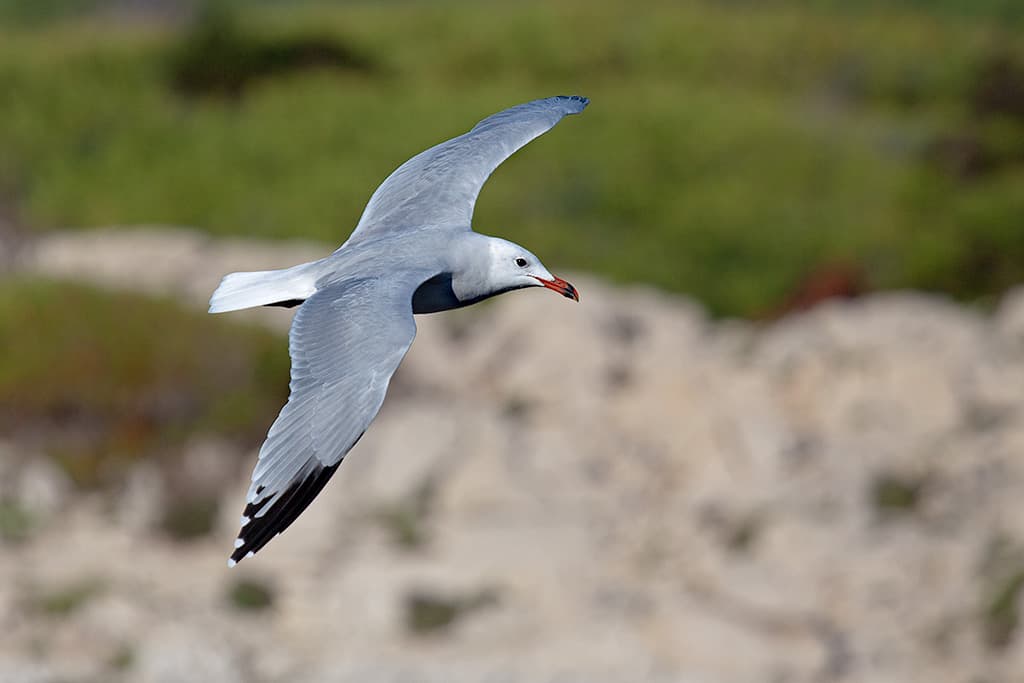
Audouin's gull
the Park's symbol · cliffs and islets
On the most solitary cliffs nests Audouin's gull (Larus audouinii), among the rarest gulls in the Mediterranean and the symbol of the National Park — recognisable by its coral-red bill. With it the shag, the cormorant that dries its wings on the rocks, and the shearwaters that call out at sea by night.
The champions of this sea
Carlo Gasparri · Renzo Mazzarri
These depths produced two legends of spearfishing: Carlo Gasparri, world champion in 1969 and several times European champion, and Renzo Mazzarri, three-time world champion and among the greatest freedivers of all time. Both born and raised on Elba: here, the sea shapes those who breathe it.
Land wildlife
The land
From the ridges of Monte Capanne to the low scrub, Elba is home to wildlife surprising for an island — with one emblem above all.
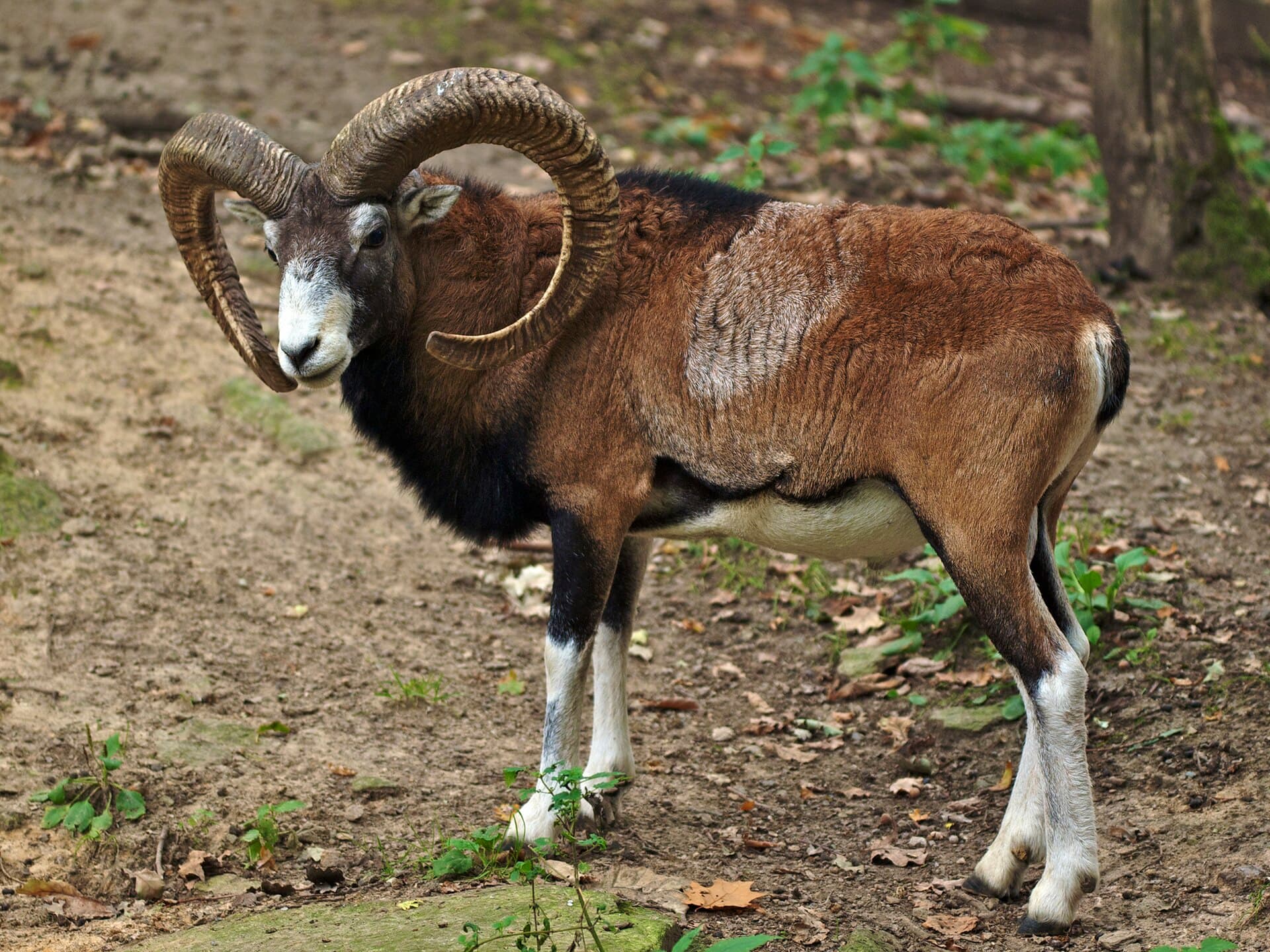
The mouflon
the island's symbol · slopes of Monte Capanne
Introduced in the 1960s, the mouflon — a wild sheep with curved horns that from afar looks like a mountain goat — adapted perfectly and lives mainly on the rocks of Monte Capanne. To spot one at dawn, outlined on the ridge, is an image of the real Elba.
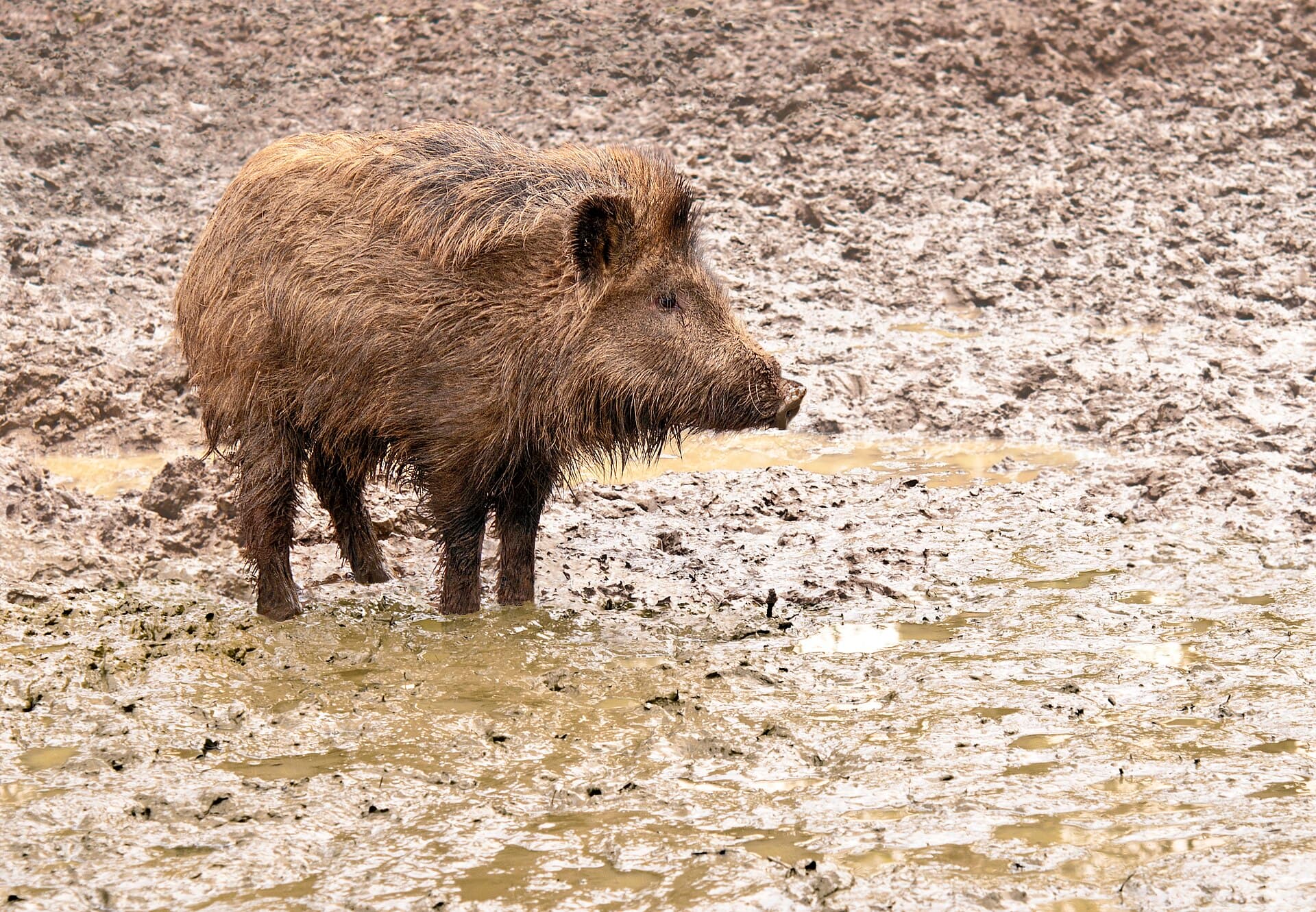
Wild boar and small mammals
woods and undergrowth
The Central-European wild boar, introduced in the 1970s, is found all over the island: shy, it can top a hundred kilos, and its diggings show everywhere in the undergrowth. With it the hare, the pine marten, the hedgehog and a rich population of bats that animate Elba's nights.
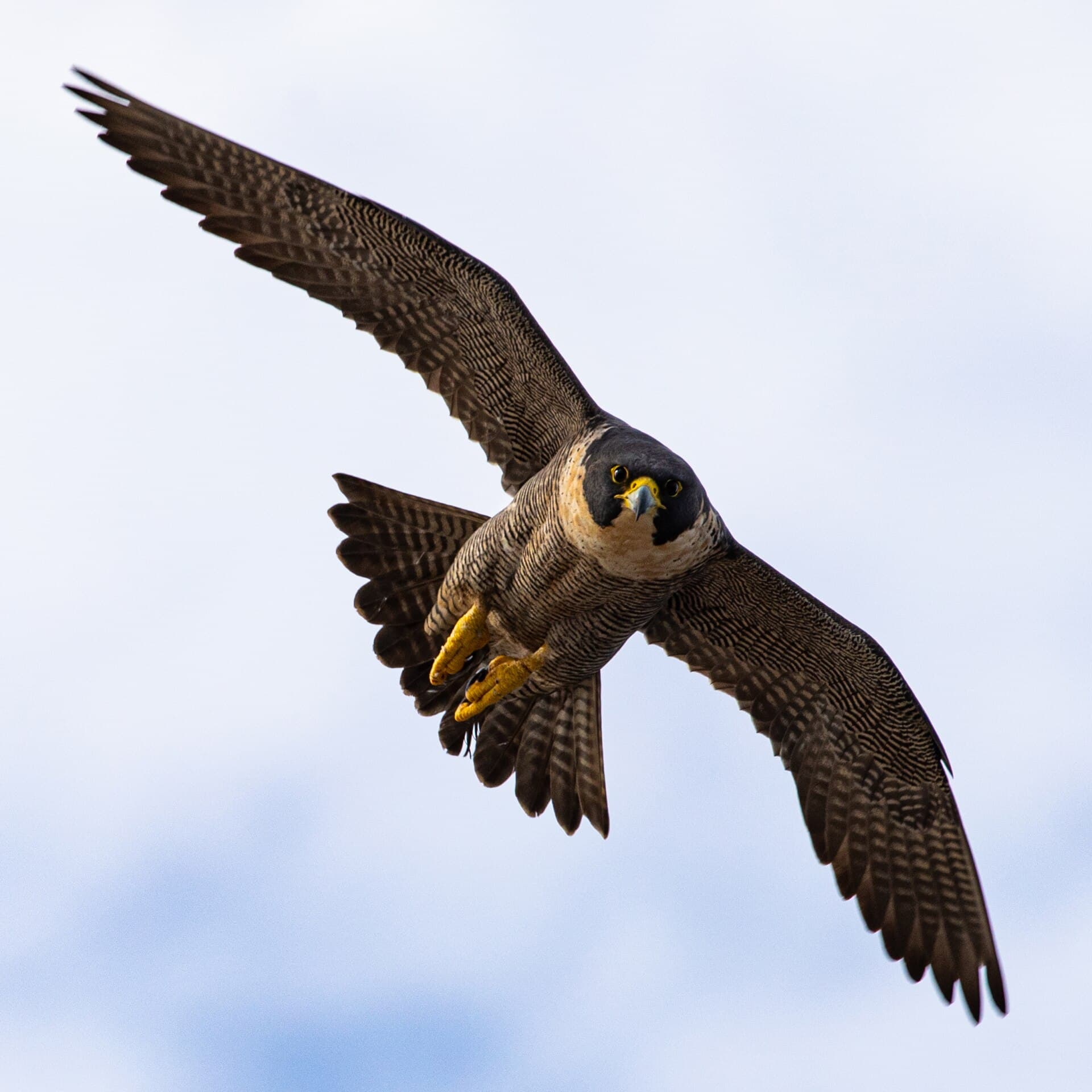
Birds of prey
peregrine falcon, kestrel, buzzard
On the cliffs nests the peregrine falcon — the fastest of all birds — along with the kestrel, the buzzard and the massive raven. At dusk out come the barn owl and the long-eared owl. Look up along the headlands.
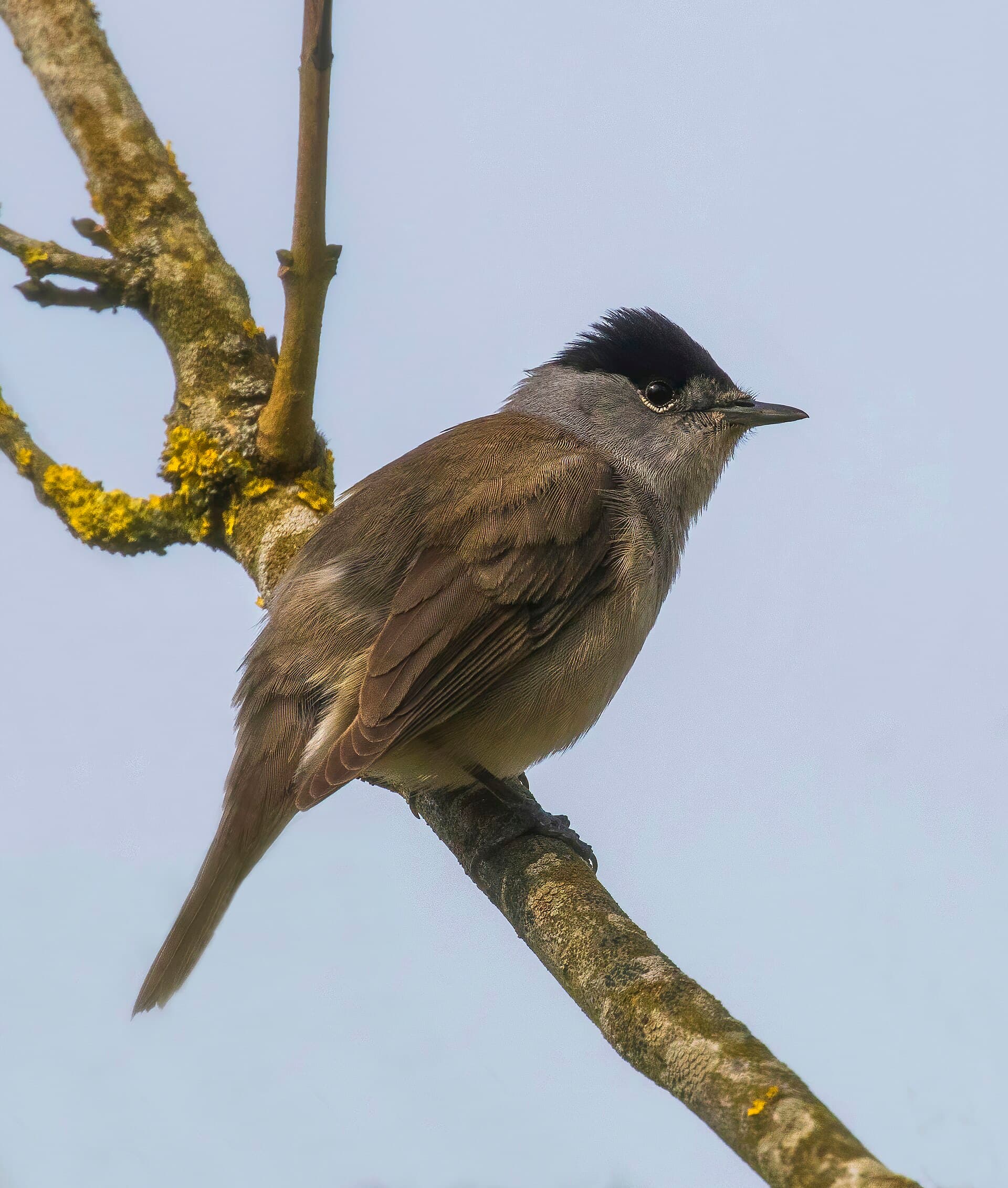
Scrub birds and migrants
blackcap, swift, woodcock, partridge
The macchia sings with blackcaps and small songbirds; in summer swifts — all three Italian species — slice the sky above the villages. In autumn migrants such as the woodcock arrive, while the red-legged partridge and the introduced pheasant live in the fields.
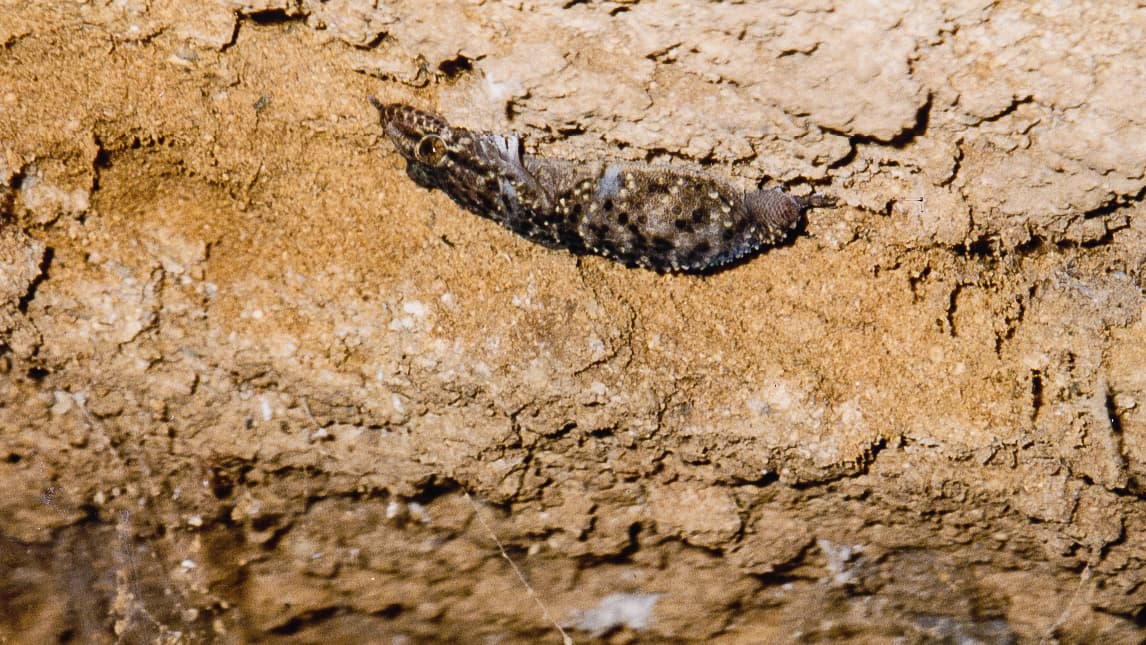
Reptiles and amphibians
European leaf-toed gecko, green lizard, Tyrrhenian tree frog
Among the rocks lives the European leaf-toed gecko (Euleptes europaea), a tiny nocturnal gecko and Elba's only reptile of European conservation interest; with it the emerald-green western green lizard and the western whip snake, the commonest snake and entirely harmless. In freshwater pools calls the Tyrrhenian tree frog, an amphibian found only between Sardinia, Corsica and these islands.
The island's scent
The Mediterranean macchia
Arriving at Elba, you smell it before you see it: the air of heather, cistus and strawberry tree. The macchia is the island's green soul.
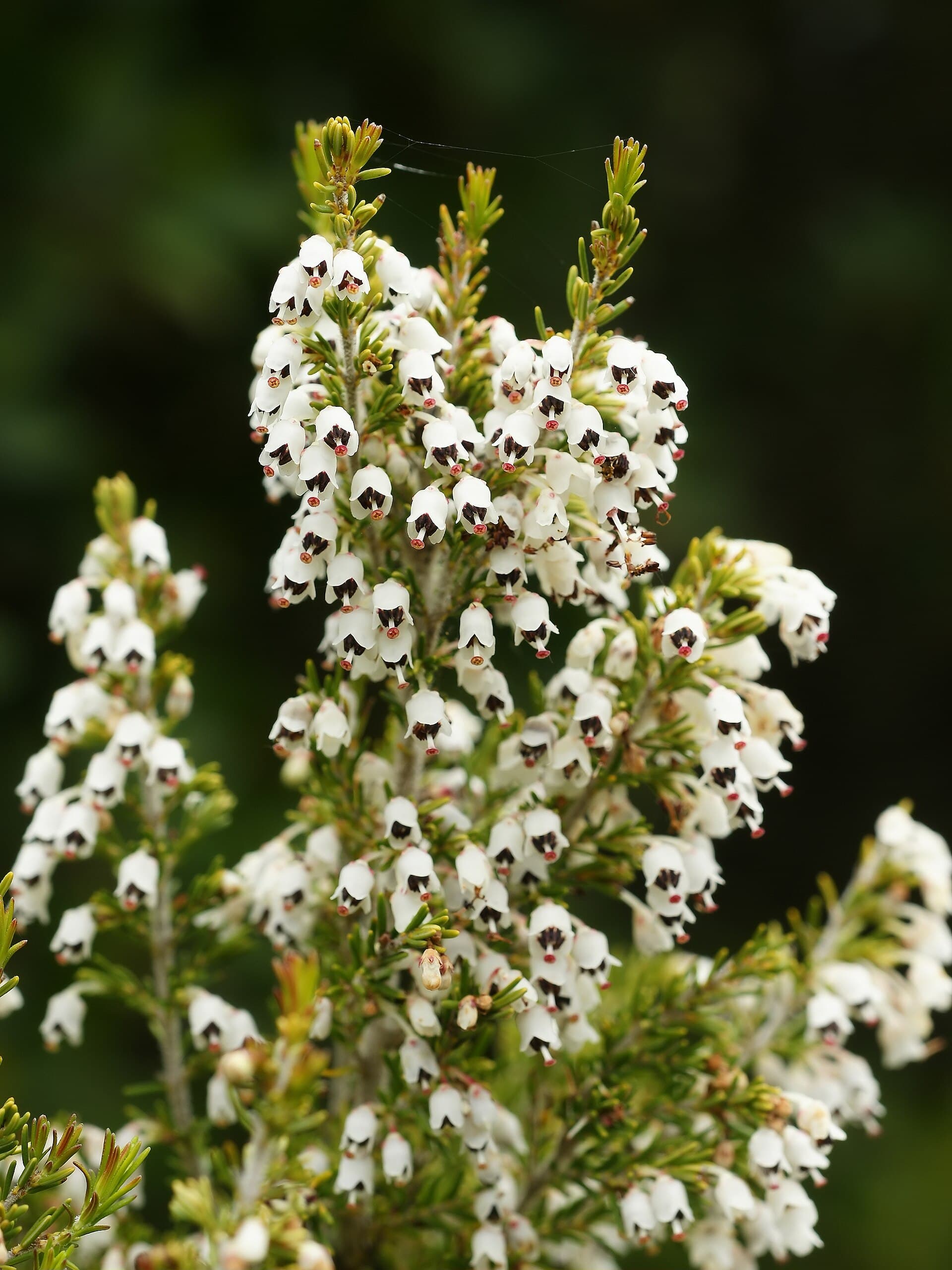
Tree heather and its root
up to 4 metres · a precious wood
Tree heather forms woods up to four metres high. From its root — the "radica" — comes a hard, prized wood: the very wood from which, in 1988, the first Locman watch was born in Marina di Campo. A thread linking Elba's scrub to watchmaking.
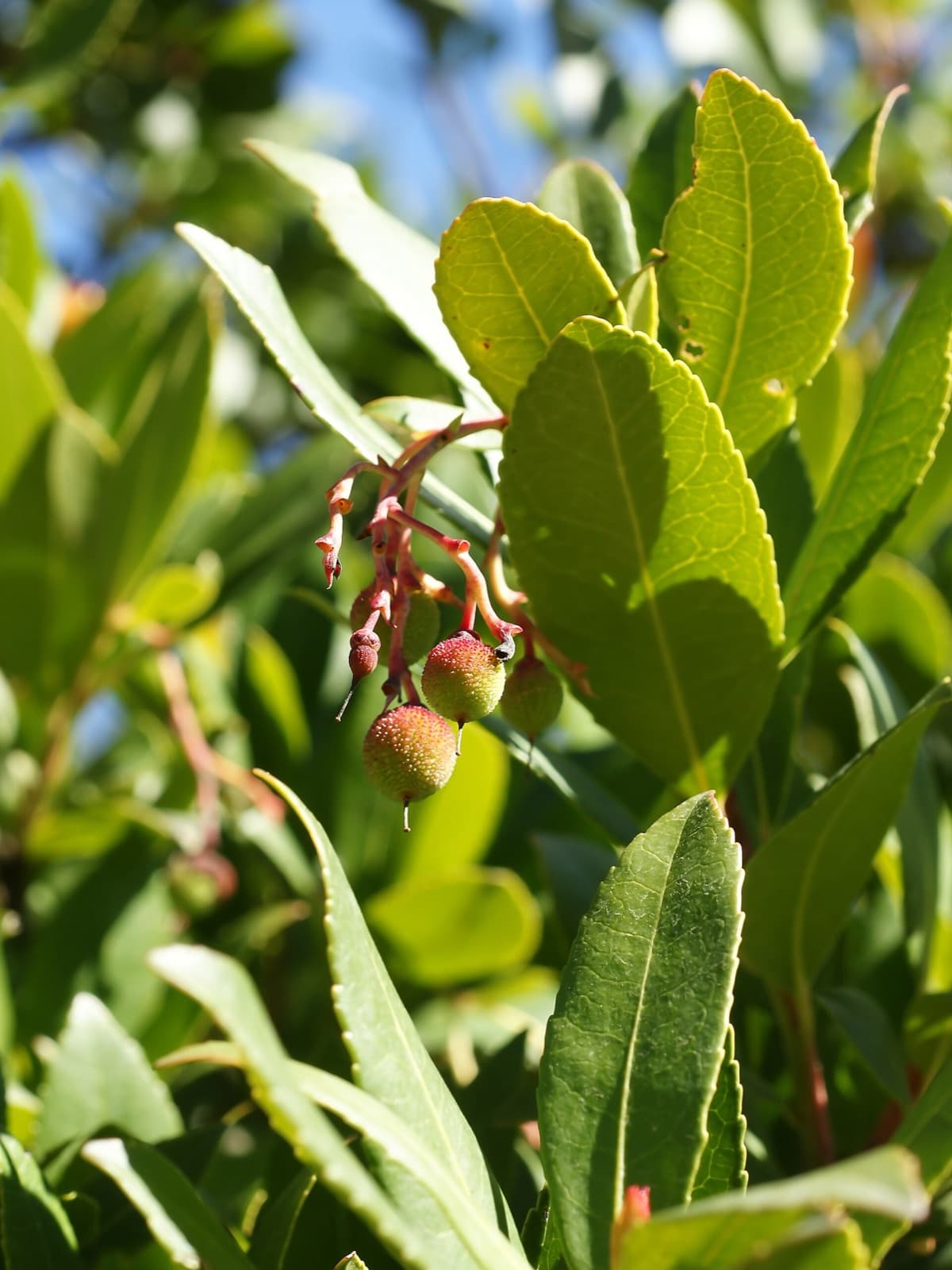
Strawberry tree and cistus
the tall macchia
The strawberry tree, with its red autumn berries, and the cistus that in May covers the slopes with white and pink flowers are the heart of the macchia. With them myrtle, mastic, broom and rosemary: the scent that stays with you.
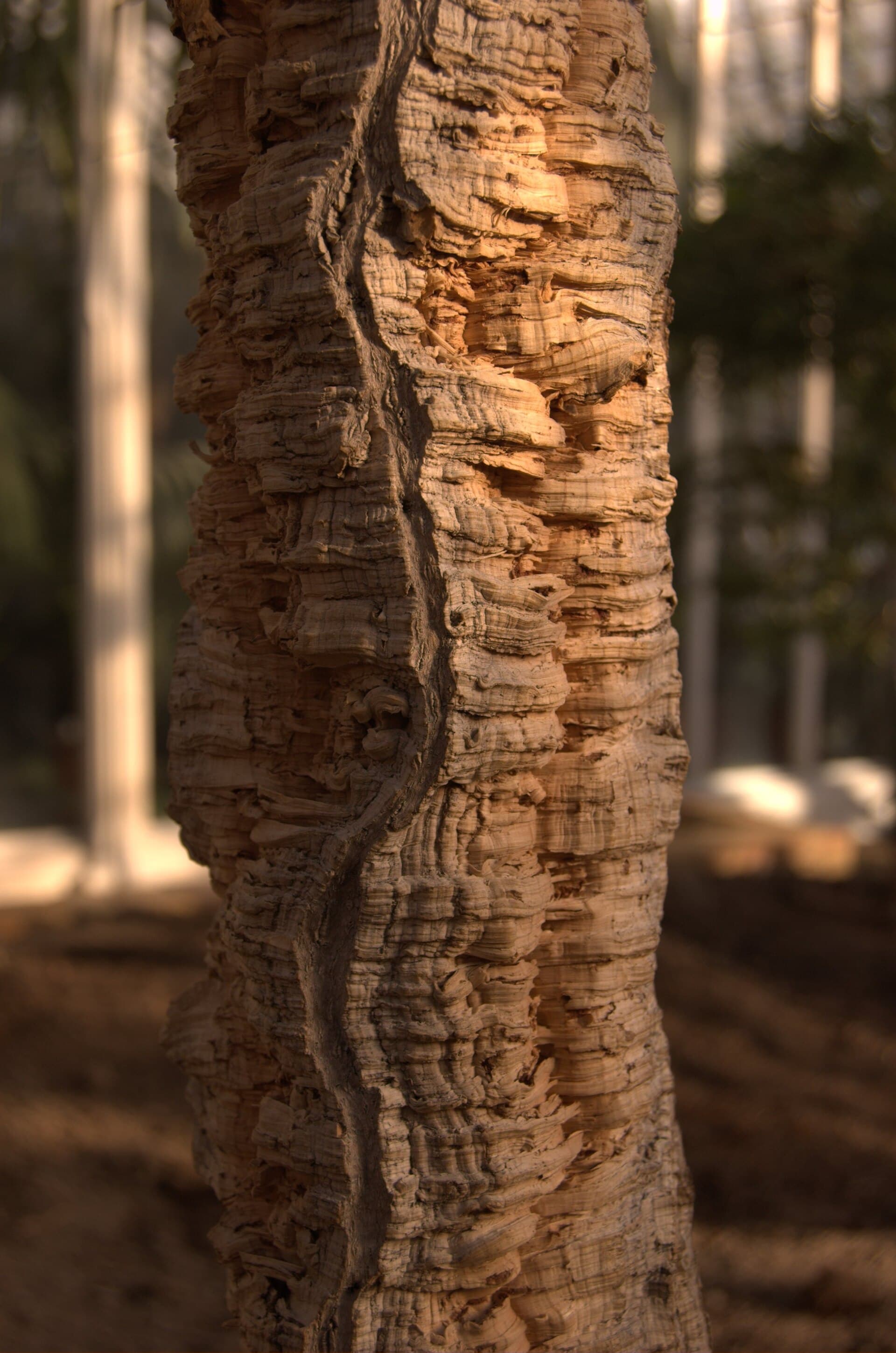
Holm oaks, cork oaks and pines
the island's woods
Where the scrub becomes forest grow the holm oak, which once covered the island, and the thick-barked cork oak. Along the coast the maritime pine smells of resin; in the gardens cypress and stone pine draw the horizon.
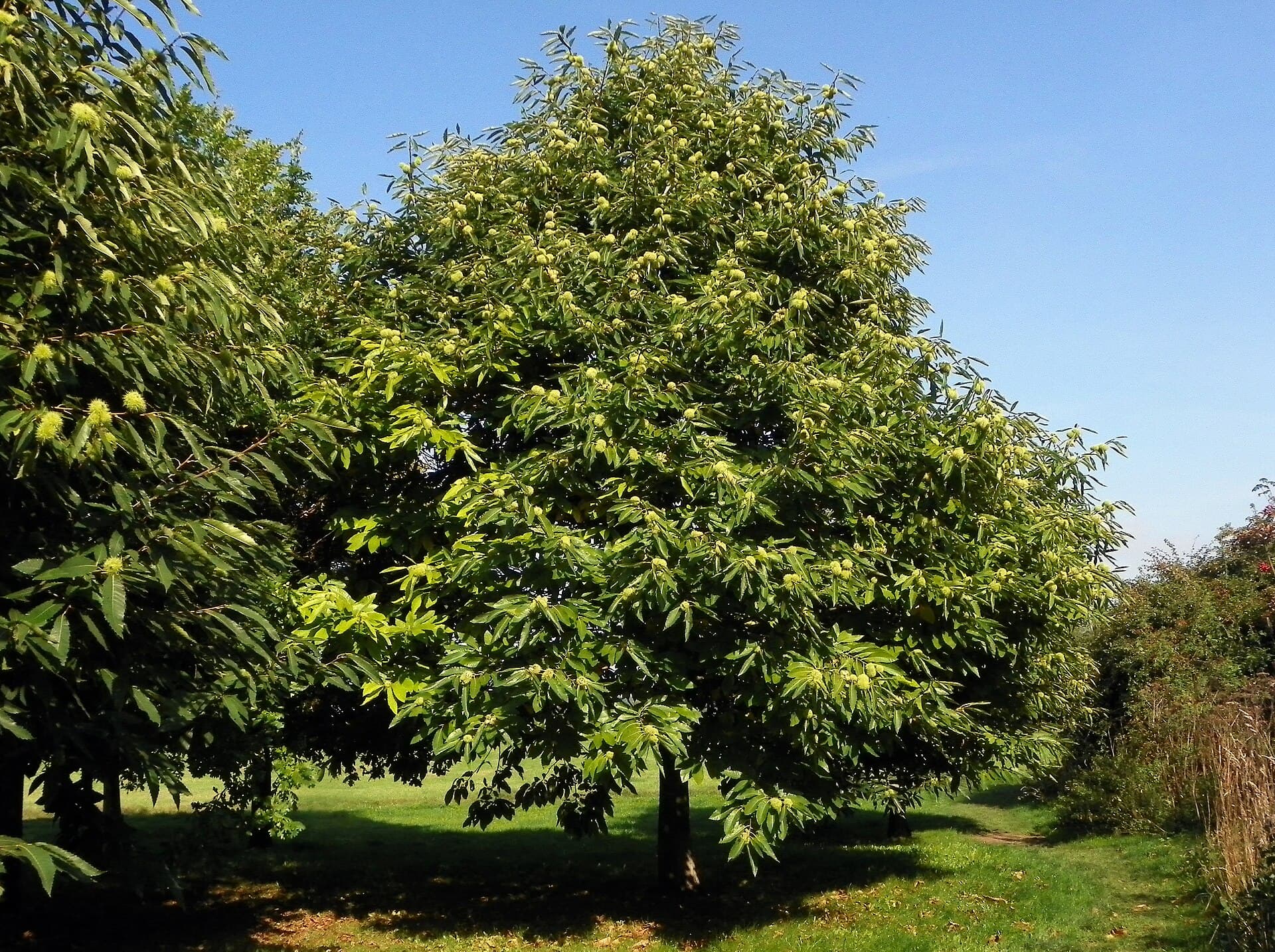
The chestnuts of Capanne
Marciana · high ground
High up, on the flanks of Monte Capanne above Marciana, the centuries-old chestnut groves survive — the same among which Napoleon pitched his tent at Madonna del Monte. Cool shade and autumn fruit, another face of Elba.
Only here
The species that live only here
Isolation has made Elba a laboratory of evolution: eight plants grow on these rocks and nowhere else, and with them butterflies and small creatures you will find in no other part of the world.
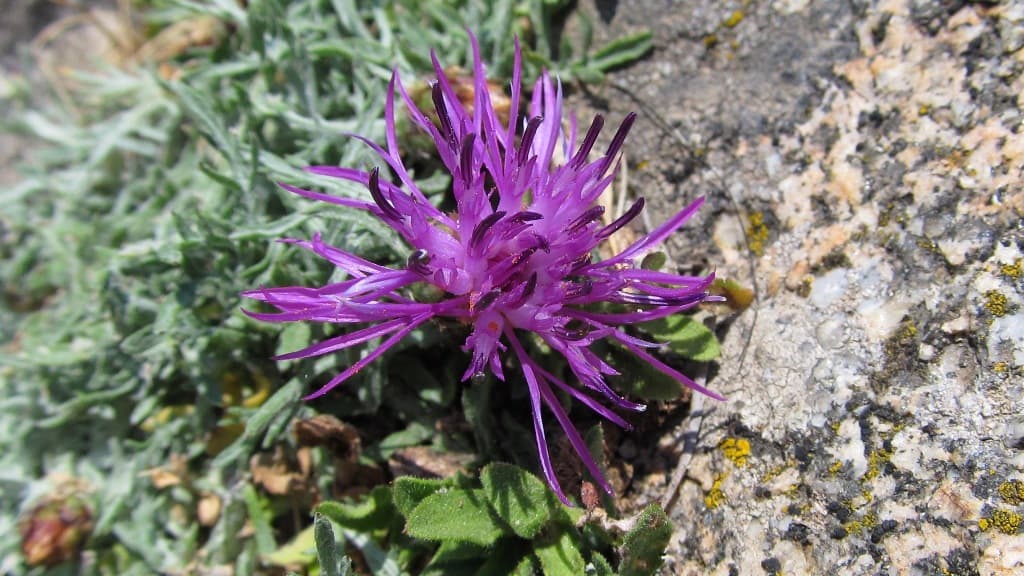
The flowers of Capanne
Elba cornflower, violet and saffron
On the granite ridges of Monte Capanne grow flowers found nowhere else: the Capanne cornflower (Centaurea ilvensis), the Elba violet whose petals shade from cobalt to yellow, and the Elba saffron (Crocus ilvensis), discovered and described only in 2011. They bloom in early spring, when the cold still lingers up high.
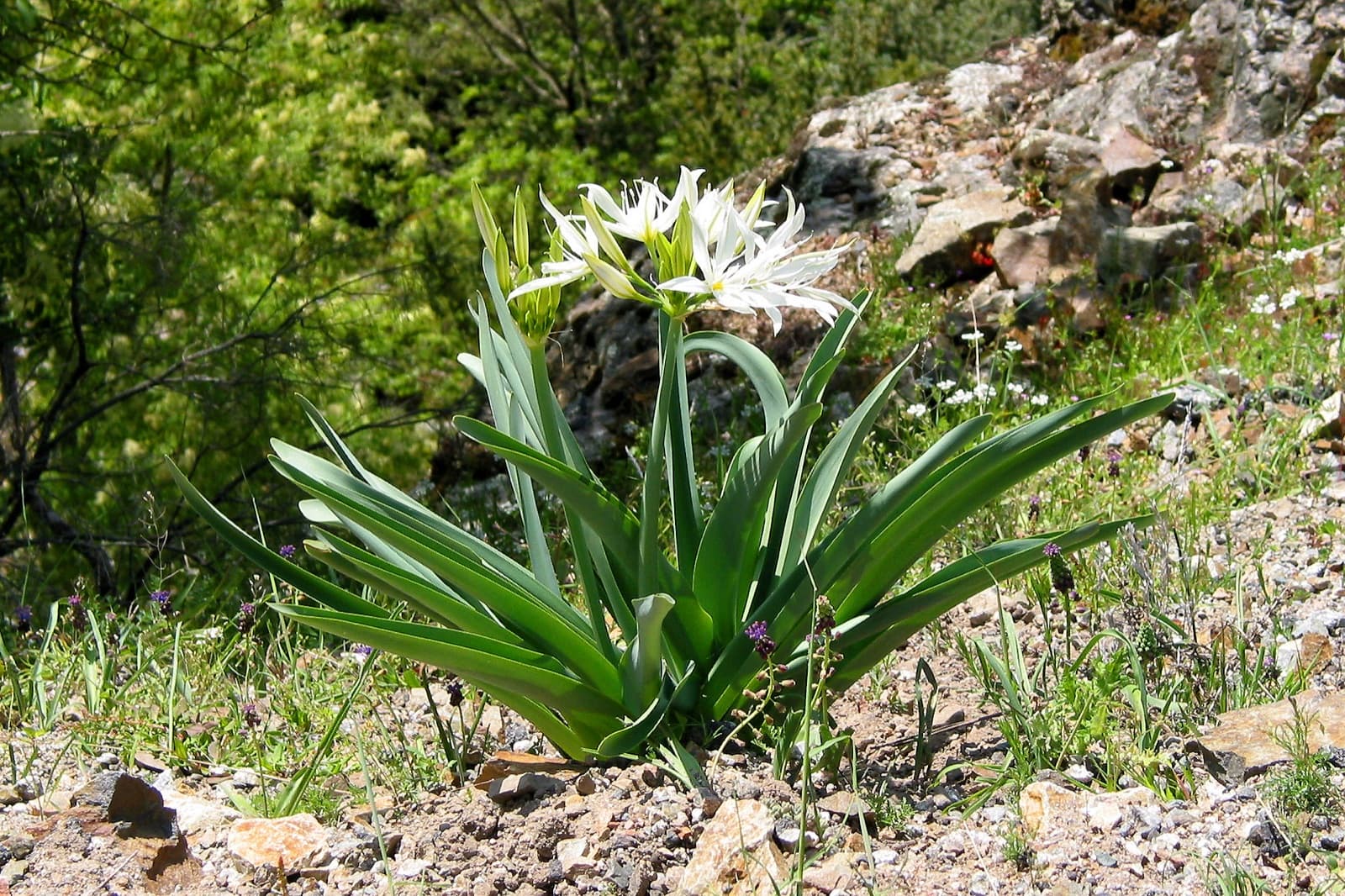
The flowers of the cliffs
sea lavender and sea daffodil
Where the sea spray wets the rock lives Limonium ilvae, a sea lavender that colonises only Elba's cliffs. In the damp valleys of the south-west opens the sea daffodil (Pancratium illyricum), a large white flower the island shares only with Sardinia and Corsica.
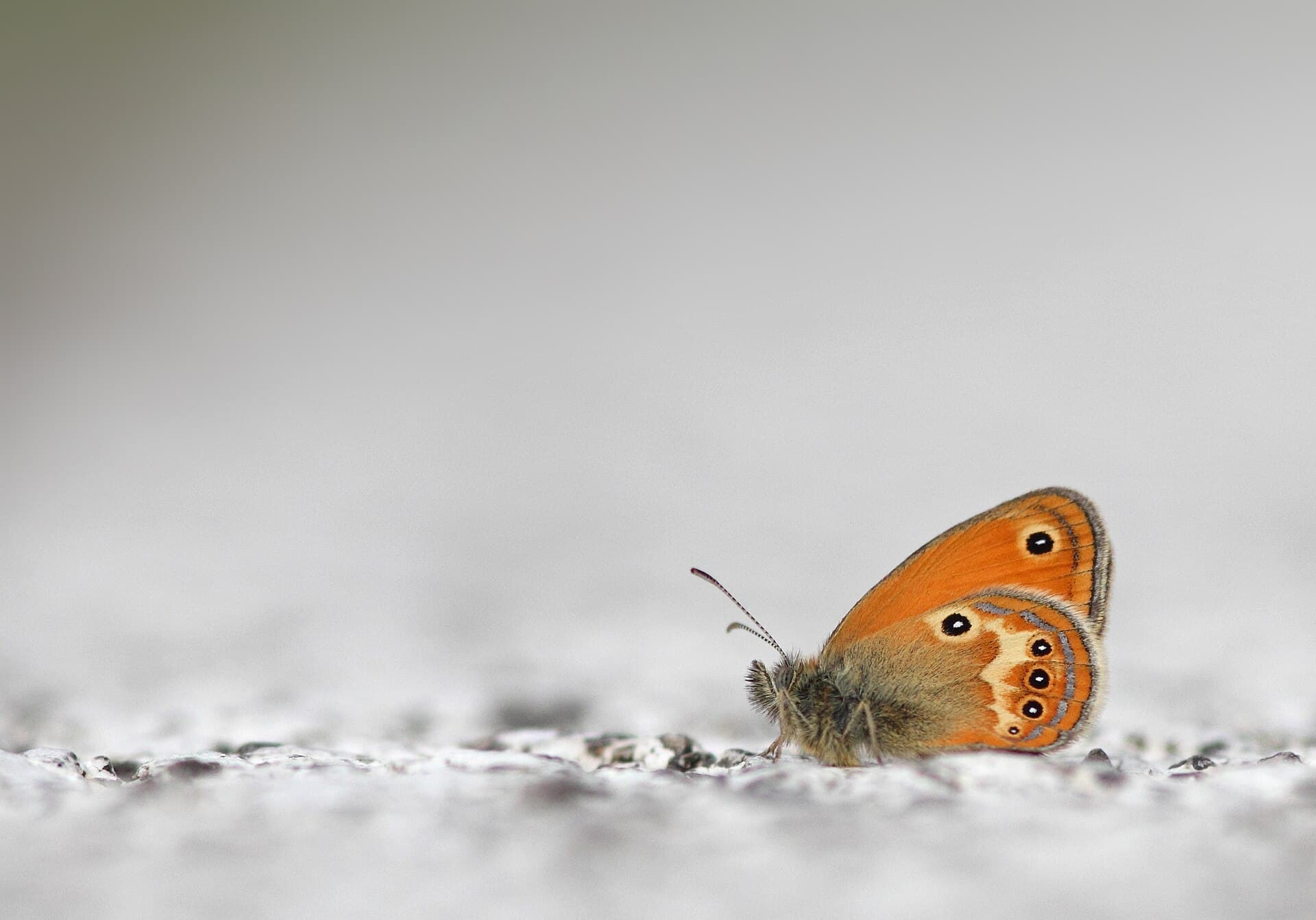
Butterflies and relics of the ice
species that outlived isolation
Endemic butterflies such as Coenonympha corinna fly here, and in the springs lives even a blind cave shrimp (Ilvanella) that the dark has left without eyes. High on Capanne, "relict" plants of colder eras survive: outliers saved in a few damp niches, while all around is now Mediterranean.
Geology
The rock
Elba is famous among geologists the world over: on a single island, granite, sedimentary rock and iron mountains meet. Three islands in one, underfoot as well.
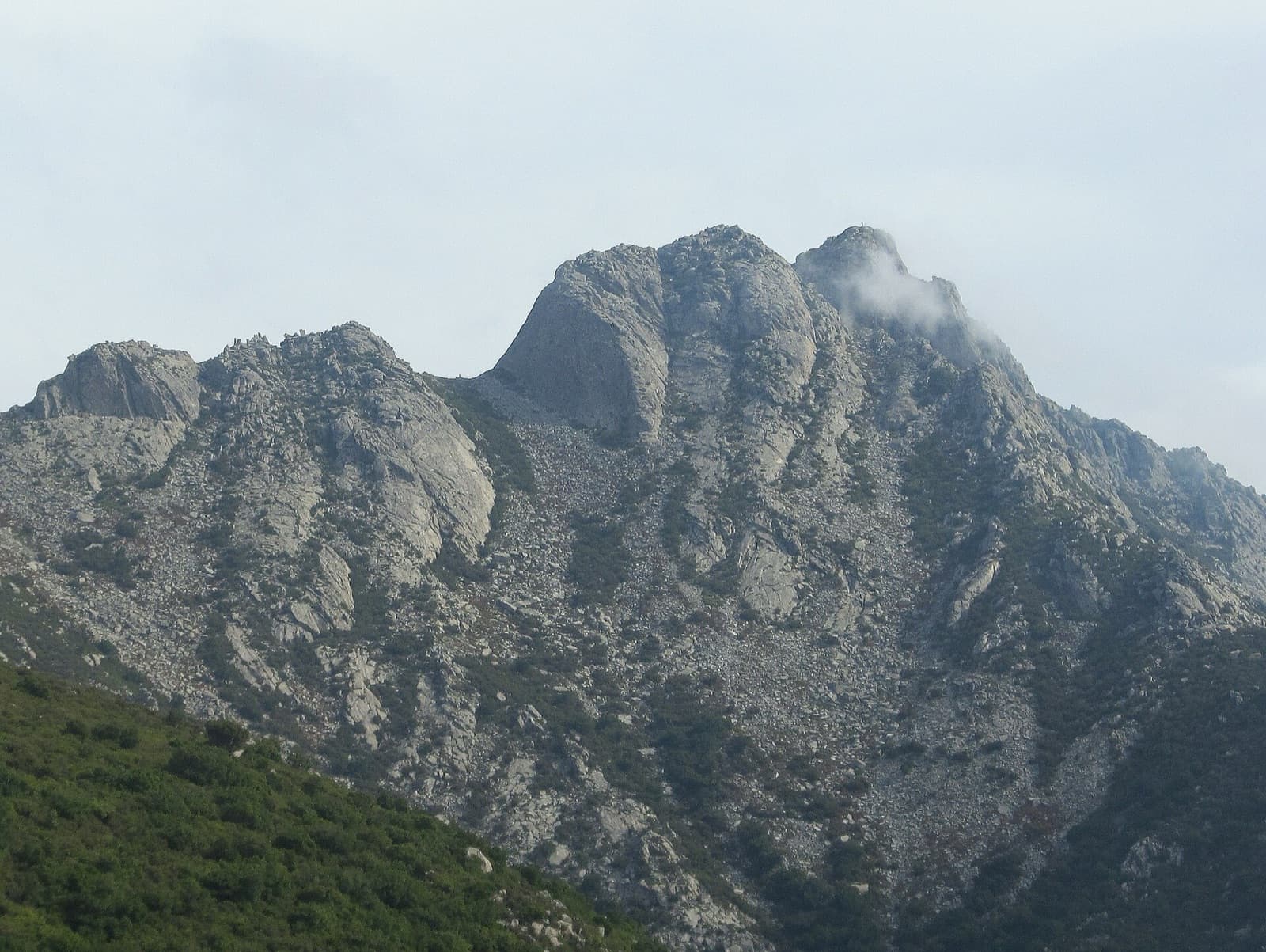
The granite of Monte Capanne
west side
All of the island's west is a single mass of granite, born from the magma of an ancient volcano that never erupted: Monte Capanne, 1,019 metres, is its peak and the roof of the Tuscan Archipelago. It is the granite the villages of San Piero and Sant'Ilario are built from, and on which the smooth coves of Fetovaia and Seccheto open.
The gems of San Piero
tourmalines and minerals
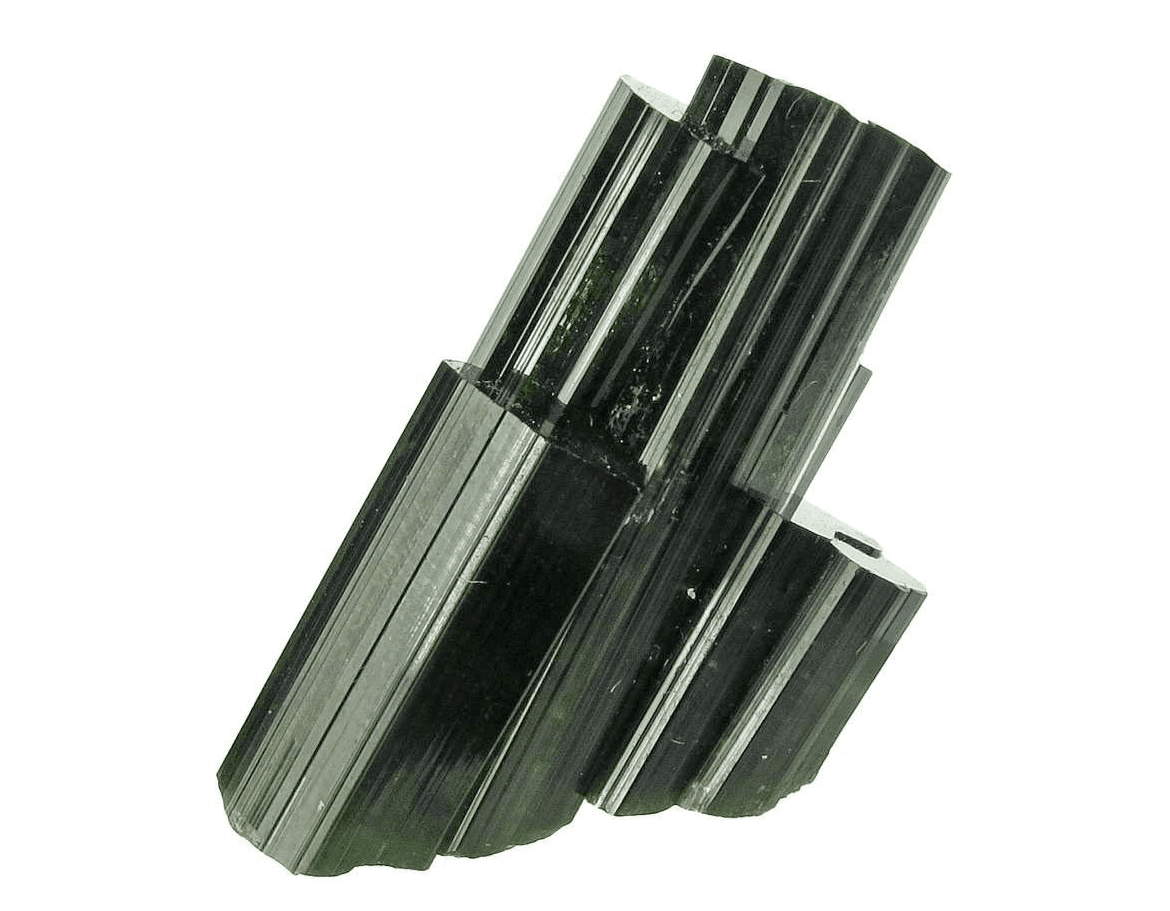
In the pegmatite veins of the granite, around San Piero, are crystals that made Elba famous in the world's mineralogical museums: coloured tourmalines — one variety is called elbaite, after the island — quartz, beryl and other rarities. The Luigi Celleri Mineralogical Museum, in the village, keeps them.
The iron of the east
Rio and Calamita · 3,000 years of mines
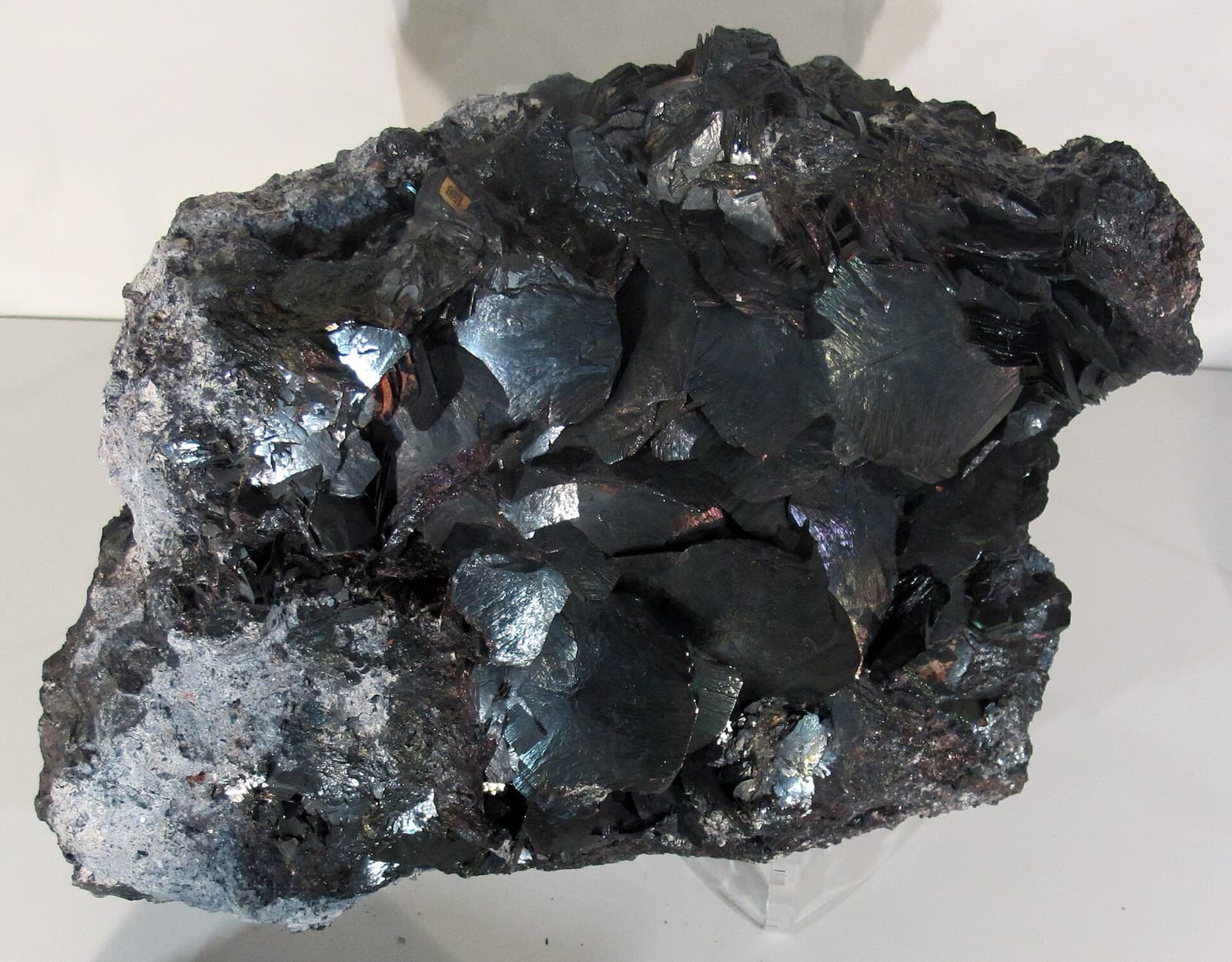
The eastern side is another rock entirely: hematite, pyrite and magnetite glinting in the sun. Iron was mined here for three thousand years, from the Etruscans until 1981; a mineral takes its name from these mines, ilvaite, from Ilva, the Romans' name for Elba. The green Terranera lake and the red earth of Rio still tell that story.
Frequently asked questions about Elba's nature
Can you see dolphins on Elba Island?
Yes: Elba lies within the Pelagos Sanctuary and the most common species offshore are the bottlenose and striped dolphin. Whale-watching trips leave from Marina di Campo too. Sightings are more frequent in calm sea, in the morning.
Are there species that live only on Elba Island?
Yes: the island has eight endemic plants that grow nowhere else, among them the Capanne cornflower (Centaurea ilvensis) and the Elba saffron (Crocus ilvensis), described only in 2011. To these add endemic butterflies and even a blind cave shrimp in the springs: it's the effect of isolation on evolution.
What animals live on Elba Island?
On land the mouflon (the island's symbol, on Monte Capanne), wild boar, hare and pine marten; among reptiles the rare leaf-toed gecko, among birds the peregrine falcon, buzzard and Audouin's gull. At sea dolphins, turtles and, increasingly, the monk seal.
Why is Elba famous among geologists?
Because within a few kilometres it holds granite (to the west, Monte Capanne), sedimentary rock (in the centre) and iron minerals (to the east). The tourmalines of San Piero and the hematite of Rio are in mineralogical museums worldwide — and two minerals, elbaite and ilvaite, even carry the island's name.
What is the Mediterranean macchia you smell on Elba?
It's the island's wild vegetation: tree heather, strawberry tree, cistus, myrtle, mastic, broom and rosemary. It's what gives Elba's air its unmistakable scent, especially in spring and after rain.
Live Elba, not just the beach
Three homes in Marina di Campo, between the sea of the dolphins and the scrub of Capanne. Write to us and Giovanni will reply in person.
Request availability